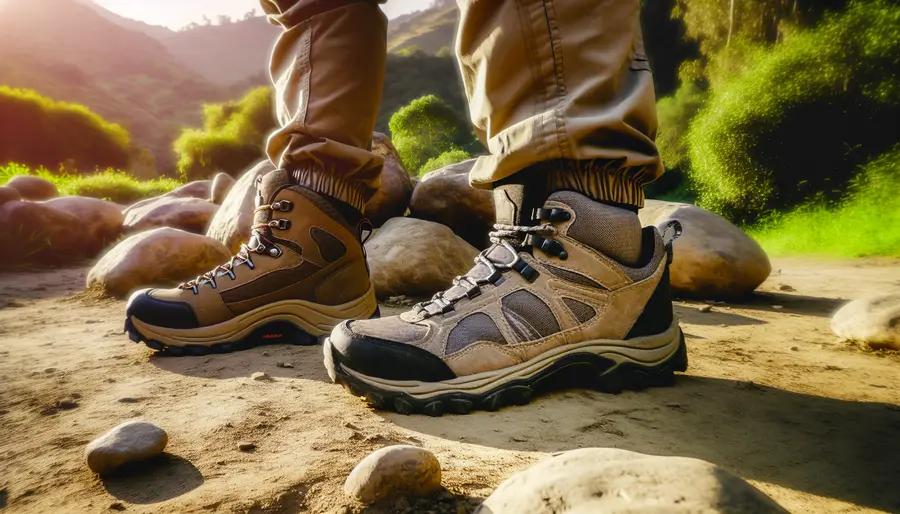
In the compelling world of outdoor adventures, one component reigns supreme when it comes to ensuring a rewarding experience: your choice of Backpacking Footwear Tips & Advice. As seasoned hikers will attest, trekking through rugged terrains without the right shoes can quickly turn a dream expedition into a dreaded ordeal. This comprehensive guide on Backpacking Footwear Tips & Advice will help you navigate the intricate landscape of choosing the right shoes for the job, offering insights and recommendations that blend expert knowledge with real-world trail wisdom.
Understanding the Terrain: Matching Your Shoes to the Trails
The foundation of any good shoe selection begins with a solid understanding of the terrain you’ll be tackling. Whether you’re venturing through the muddy paths of the Appalachian Trail or the rocky ridges of the Pacific Crest Trail, identifying the specific demands of your route will inform your footwear choice. For instance, on routes such as Vermont’s Long Trail, you might opt for waterproof boots with excellent traction. Think of models like the Salomon X Ultra 4 GTX, which provide stability on wet, slippery surfaces. Alternatively, if you’re scaling the high-altitude trails of the Sierra Nevada, a robust pair of Vibram-soled boots could be your best ally.
The trail conditions play a pivotal role too. Wet and messy spring paths might call for quick-drying shoes with Gore-Tex membranes, whereas arid desert trails would suit breathable mesh shoes that offer ample ventilation to stave off heat discomfort.
The Anatomy of Perfect Backpacking Footwear
Diving into the anatomy of a good hiking shoe can be thrilling. Key factors include the boot’s materials, ankle support, outsole design, and cushioning—all crucial in lightening your load and enhancing performance. Consider the upper material: leather provides excellent durability and water resistance, favored by long-distance hikers embarking on journeys like the John Muir Trail. In contrast, synthetic fabrics like polyester and nylon offer lighter weight options ideal for short, fast backpacking trips, such as weekend adventures in Shenandoah National Park.
Ankle support becomes particularly important when navigating uneven ground. Mid-to-high-top boots prevent ankle rolls on the twisting paths of Colorado’s Maroon Bells Four Pass Loop. For flexibility, low-top designs balance comfort and support for hikes with gradual elevation changes.
Matching Your Footwear to Weather Conditions
The weather is a guiding compass for selecting the right backpacking shoes. Rainy forecasts might prompt a decision for waterproof technology, such as the La Sportiva Nucleo High GTX, offering both breathability and moisture protection for soaking slogs like the West Coast Trail. In contrast, the sweltering heat of a Utah desert trek on the Mesa Arch Trail demands breathability. Hiking shoes with well-engineered ventilation can help mitigate heat-induced fatigue, keeping your feet cool even under the relentless sun.
And let’s not forget the frigid chills of a winter hike in Yellowstone. Insulated boots with thermal liners ensure your toes stay toasty, allowing you to focus on the breathtaking vistas instead of numb digits.
Backpacking Footwear Tips & Advice for All Seasons
With the right backpacking footwear knowledge, you empower yourself to make future trail adventures not just possible but comfortable and safe. For wet conditions, bring along a pair of camp sandals like the Chaco Z/1 Classic to give your boots a break when you reach your destination. These sandals are also perfect for river crossings, offering an alternative to risking your dry boots in a swift current.
Regular maintenance is another tip seasoned explorers swear by for extending the life of their shoes. Cleaning off mud and debris after a long hike through Oregon’s Columbia River Gorge keeps your shoes in prime condition for the next adventure. Proper sock selection can make all the difference as well. Smartwool or Darn Tough socks provide superior moisture wicking and cushioning for added comfort on those long trekking days.
Choosing the Right Fit: Comfort and Safety First
A well-fitting shoe isn’t a luxury—it’s a necessity. When tackling trails with significant elevation gains, like those in the White Mountains of New Hampshire, blisters from poorly fitted shoes can make each step feel like an exercise in resilience. Always try on shoes with the socks you plan to hike in, making allowance for foot swelling common after a few miles on the trail. Consider footwear with adjustable lacing systems, enabling customization for various foot shapes and conditions, such as wide toe boxes for bunion comfort or narrow heels for minimizing slip.
Listening to your body’s feedback is key. Pressure points, hotspots, or any sign of discomfort during short test walks should not be ignored—they’re a cue to re-evaluate fit or support needs. In the multifaceted theatre of outdoor adventures, your journey is only as comfortable, challenging, or rewarding as your feet allow. Each step taken in well-chosen, field-tested footwear is one closer to basking in nature’s raw beauty. Let these Backpacking Footwear Tips & Advice guide your choices, ensuring every mile you trek is a celebration of comfort, safety, and exploration.