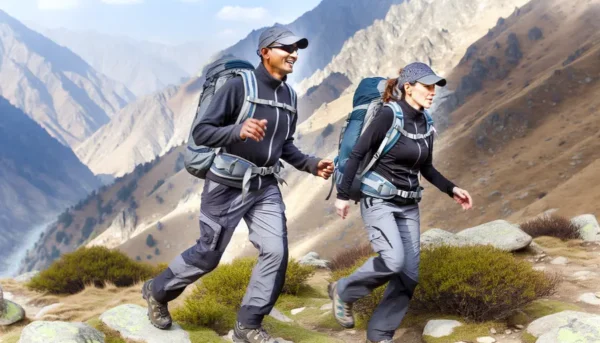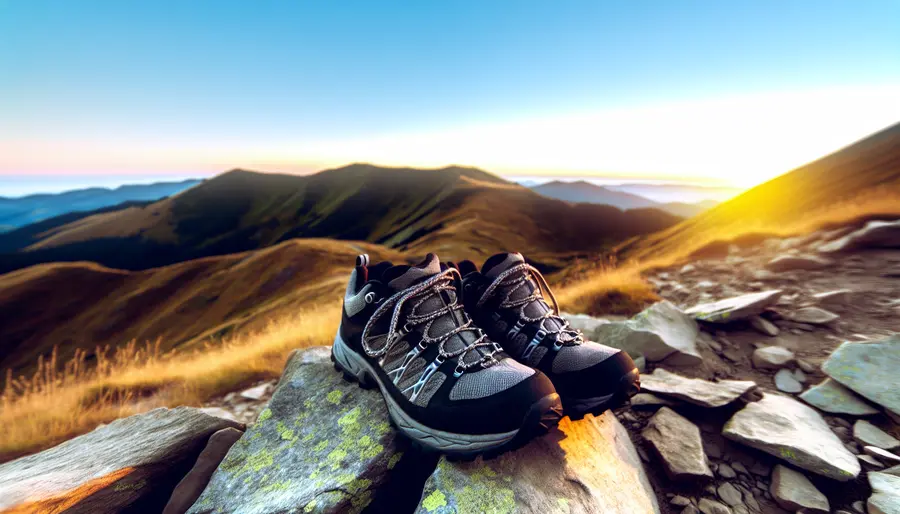
The search for the best lightweight hiking shoes is crucial when embarking on a fast and light trail adventure. Every ounce and step counts, separating a nimble, pain-free journey from an exhausting trudge. Whether you’re on the Appalachian Trail or traversing Utah’s Zion National Park, your shoes should be comfortable and supportive without dragging you down. This guide explores what makes the best lightweight hiking shoes, examines various trail conditions, and helps you choose wisely for your next adventure.
Understanding Trail Needs: Why Lightweight Matters
Every hiker knows that less is more regarding keeping your pack—and your feet—light. Scientific studies reveal that one pound on your feet equals five on your back, highlighting the importance of lightweight shoes. The best lightweight hiking shoes find the perfect balance between weight, support, and durability. The Pacific Crest Trail, spanning over 2,650 miles, becomes more manageable when your footwear isn’t a hindrance.
Consider the terrain: The diverse topography of Colorado’s Rocky Mountain National Park demands shoes that adapt to different surfaces yet remain light enough to tackle high elevations. Shoes like the Salomon X Ultra 3, known for their robust yet lightweight structure, offer features like Contagrip® soles for superior traction and Advanced Chassis™ technology for stability, ideal for such environments.
Features That Define the Best Lightweight Hiking Shoes
Key features define the best lightweight hiking shoes. Look for construction from durable yet light materials such as synthetic mesh and high-quality rubber, reducing weight without sacrificing performance. Brands like Merrell and Altra have pioneered these materials, offering breathable options ideal for hot, lengthy treks like those on the Grand Canyon’s South Rim.
A solid grip is essential. Yosemite’s Half Dome requires soles with versatile grip patterns to manage slippery granite surfaces confidently. Shoes with specialized rubber compounds, like Vibram outsoles, provide top-notch traction on wet and dry terrains. Additionally, models offering ample toe protection and heel support ensure safety and comfort on uneven trails, such as New Hampshire’s White Mountains.
Top Picks: Field-Tested Shoes for Specific Conditions
Our top picks for the best lightweight hiking shoes have been rigorously tested across landscapes, evaluated for versatility, weight, and comfort. The La Sportiva Spire GTX, a top choice for long-distance hikes, provides Gore-Tex waterproofing and weighs only about 12 ounces per shoe. They are perfect for trail-runners tackling muddy sections of the Appalachian Trail, where swift weather changes occur.
Nike’s Wildhorse 7, another trail-tested option, offers ultralight responsiveness for shorter, faster hikes. It excels in California’s Redwood forests, where agility improves navigating dense underbrush and soft forest paths. The shoe’s dynamic fit accommodates foot swelling over long days, maintaining comfort without bulk.
Preparing for Your Lightweight Adventure
Preparation goes beyond choosing the right footwear. Understanding trail specifics helps you align gear choices with environmental demands. Expecting a trek through Olympic National Park’s damp, rainforest-like conditions necessitates waterproof features, such as those in the Altra Lone Peak series.
Before heading out, ensure your shoes are broken in; even the best lightweight hiking shoes can cause discomfort if not adapted to your foot’s shape. Pair them with moisture-wicking socks to prevent blisters and enhance comfort on longer trails, such as Arizona’s Bright Angel Trail, where hot, dry conditions increase foot fatigue.
Insider Tips for a Flawless Hiking Experience
Preparation is key to a successful hike. Packing lightweight food options and minimalist gear reduces your load, complementing your best lightweight hiking shoes. Consider the weather forecast and adjust your packing list, including a waterproof shell for unpredictable showers in Shenandoah National Park.
Additionally, regular foot care is critical. Being aware and responding quickly to discomforts like hot spots prevents blisters and keeps you on your feet. Use broken-in gear during preparatory hikes, like a weekend warrior scenario tackling New York’s Adirondack Park’s diverse trails to simulate park conditions and test gear performance.
Embracing agility and speed doesn’t mean sacrificing safety or comfort. With the right footwear and preparation, your adventures can transition from ordinary to extraordinary. Whether scaling Washington’s Mount Rainier or exploring Moab, Utah’s arches, the best lightweight hiking shoes will support every step of your journey.