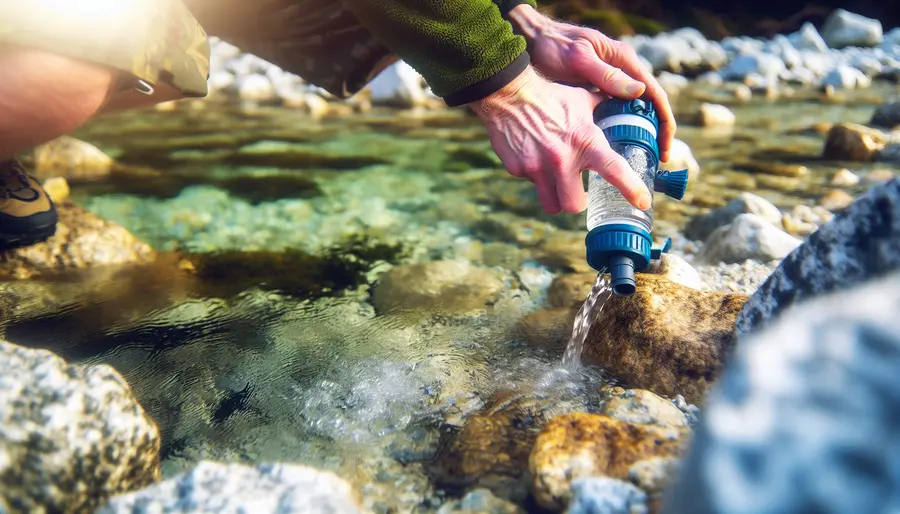
The best backpacking water filters are essential for preserving life in the backcountry, where you’re miles deep with only your pack to keep you going. Access to clean, safe drinking water is a crucial component of any outdoor adventure. Whether conquering the rugged terrains of the Pacific Crest Trail or navigating the humid landscapes of the Appalachian Trail, having the right water filter can significantly enhance your outdoor experience.
Understanding Water Contamination and the Need for Water Filters
Before hitting the trails, understanding water contamination and why water filters are necessary is critical. Natural water sources may appear pristine, yet they can contain harmful pathogens, such as bacteria like E. coli, viruses, and protozoa such as Giardia and Cryptosporidium, which can cause gastrointestinal illnesses that derail your adventure.
With the best backpacking water filters, you can eliminate these threats and enjoy safe, clean drinking water from streams, rivers, and lakes. These filters are designed to meet specific challenges posed by untreated water sources and are tested to meet safety and reliability standards.
Types of Backpacking Water Filters: How to Choose the Best
Choosing a water filter for backpacking involves understanding different types of systems available. Here are some common categories:
- Pump Filters: Effective for filtering large volumes of water, they work well in various water conditions, from clear streams to muddy ponds. Though bulkier, they’re an excellent choice for larger groups or extended trips.
- Squeeze Filters: Lightweight and user-friendly, these are great for solo hikers and shorter trips. They function by squeezing water through a filtration system, making them fast and efficient.
- Gravity Filters: Best for base camps or larger groups, gravity filters use gravity to pull water through the filter, requiring no pumping, allowing you to multitask while filtering.
- Steripens and Chemical Tablets: These aren’t traditional filters but sterilize water using UV light or chemical purification. They’re compact and a good backup option.
When selecting the best backpacking water filter, consider weight, filter speed, durability, and ease of use. Understanding your specific needs and trip conditions is key.
Top Picks: Best Backpacking Water Filters for Every Adventure
Whether planning a day hike or a multi-week trek, the right water filter is essential. Here are some of the best backpacking water filters based on field tests and user reviews:
1. Sawyer Squeeze Water Filter System: Favored by thru-hikers on the Appalachian Trail for its lightweight construction and robust filtration capabilities, it filters up to 100,000 gallons of water, making it a staple for ultralight backpackers.
2. Katadyn Hiker Pro: This pump-style filter is renowned for its durability and cartridge longevity. Suitable for diverse water conditions, it’s a favorite for backcountry campers and those tackling remote paths.
3. Platypus GravityWorks: Valued for its efficiency in filtering large volumes with ease, the GravityWorks system is excellent for groups and allows for hands-free operation.
4. SteriPen Adventurer Opti: Ideal for minimalists, this ultraviolet light device quickly purifies water, efficiently dealing with bacteria and viruses, and fits easily in a pocket.
Practical Tips for Using Outdoor Water Filters
Once you’ve chosen the best backpacking water filter, knowing how to use and maintain it enhances its longevity and your safety. Here’s what experienced hikers recommend:
- Pre-filter When Possible: If the water source is turbid, use a bandana to remove larger sediment, prolonging your main filter’s life.
- Protect O-Rings and Seals: Regularly check these crucial components for cleanliness and integrity.
- Backflushing Regularly: Especially for the Sawyer Squeeze, backflushing after use maintains flow rate and efficiency.
- Store Properly: Allow filters to dry before storing them to prevent mold, and protect them from freezing.
Route Planning and Safe Water Practices
Integrating water filtration into your route planning ensures access to clean water without carrying extra weight. Here are some strategies:
- Research Your Route: Use resources like Guthook Guides to understand water availability and plan refills.
- Consider Seasonal Changes: Water sources can dry up in summer or be inaccessible in winter. Plan backup strategies accordingly.
- Ridgeline and Valley Considerations: Trails on ridgelines may have fewer water sources than those in valleys. Plan your water strategy per trail type.
Adventuring in the great outdoors demands preparation and respect for nature’s challenges. With the right knowledge and tools, such as the best backpacking water filters, you can explore confidently, staying safe and hydrated as you take on the trails.