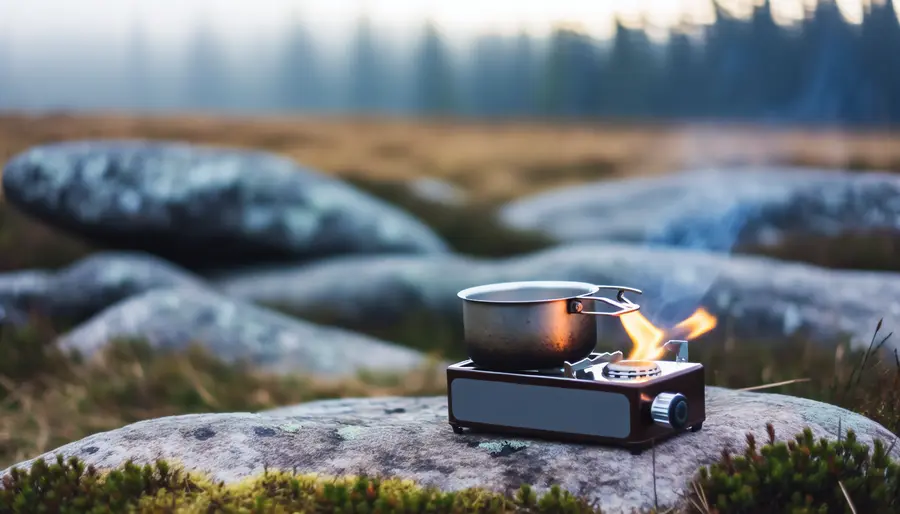
The best backpacking stoves are essential when venturing into the wild. Whether it’s a weekend in the White Mountains or a trek across the Pacific Crest Trail, your choice of gear can define your experience. At the heart of your survival kit is this vital tool, offering warm meals and creature comforts after a long day on the trail.
Understanding the Importance of Backpacking Stoves
The wilderness, with its beauty and solitude, is a playground beneath expansive skies. Yet, it presents challenges like unpredictable weather and rugged terrains. In these scenarios, the best backpacking stoves prove indispensable. Engineered for efficiency, these compact, lightweight tools help outdoor enthusiasts prepare meals confidently, no matter the environment.
Imagine conquering Colorado’s rugged terrain and, after a 15-mile day, being greeted by a cold meal. With the best backpacking stove, you can spruce up meal options, ensuring you stay nourished, hydrated, and warm. This is crucial for comfort and survival on long trails, where maintaining energy levels through calorie intake is vital.
Types of Backpacking Stoves: Choosing the Right Fuel
Backpacking stoves come in various shapes and sizes, each tailored for different fuels and conditions. The best backpacking stove will suit your adventure style.
Canister stoves: Easy to use, convenient, and efficient, these stoves use pre-pressurized fuel canisters with isobutane or propane. Perfect for beginners, they offer quick setup and consistent burning, even at high altitudes. Canister stoves are popular on Yosemite’s trails and during moderate weather conditions.
Liquid fuel stoves: Ideal for colder climates like Alaska, these stoves run on white gas and perform well in extreme conditions. Although they require more attention, savvy thru-hikers rely on them on the Appalachian Trail, especially for seasonal extremes.
Wood-burning stoves: If minimizing weight and environmental impact is your priority, these stoves utilize natural fuels like twigs. Hikers on the Continental Divide Trail choose them for their minimalism, embracing Leave No Trace principles.
Alcohol stoves: Ultra-lightweight and simple, these stoves are perfect for Scottish bluffs during warmer weather and flat terrains. They appeal to adventurers conscious of every ounce.
The Best Backpacking Stoves for Different Conditions
Backpacking isn’t limited to warm, dry months; weather changes demand specific gear. Choosing the best backpacking stove for conditions is crucial for meal prep and safety.
In wet or windy conditions, use a canister stove with an integrated windscreen, like the Jetboil Flash. Tested on the misty Olympic Peninsula, this setup improves heating efficiency and shields the flame from wind.
For high-altitude expeditions, the MSR WhisperLite International is reliable even above 10,000 feet, proving its worth on Nevada’s less-traveled Ruby Crest Trail.
Cold-weather backpackers on blustery Adirondack trails need gear for freezing conditions. The MSR Reactor, with rapid boil times and radiant burner, is favored by winter adventurers needing quick hot meals.
Field-tested Recommendations for the Best Backpacking Stoves
After extensive trials on trails from Arizona deserts to English moors, certain stoves are favored by seasoned backpackers. They excel under different conditions, earning their place as the best backpacking stoves.
- Jetboil MiniMo: With precision simmer control, this canister stove suits gourmet outdoor cooking. It’s a staple for hikers on France’s Tour du Mont Blanc.
- MSR PocketRocket 2: Known for simplicity and performance, it’s a lightweight favorite traveling from Arizona’s Wilderness to Scotland’s Highlands.
- Biolite CampStove 2: This innovative wood-burning stove generates electricity while cooking, ideal for tech-savvy campers on California’s Lost Coast.
Trail Preparation and Outdoor Safety
Braving the elements requires preparation beyond packing a stove. Understanding trail cooking nuances ensures an enjoyable experience and safety.
Familiarize yourself with Leave No Trace principles; many trails, like Vermont’s Green Mountains, have specific regulations regarding fires and stoves. Check local weather before leaving and plan meals for quick cooking when needed.
Carry backup fire-starting tools, like waterproof matches or a reliable lighter, and ensure enough stove fuel or access to familiar fuel sources. These practices are vital for comfort and safety in the backcountry.
With proper preparation, the best backpacking stoves can transform your adventure into a culinary journey, ensuring safety and sustainability from one breathtaking vista to the next.