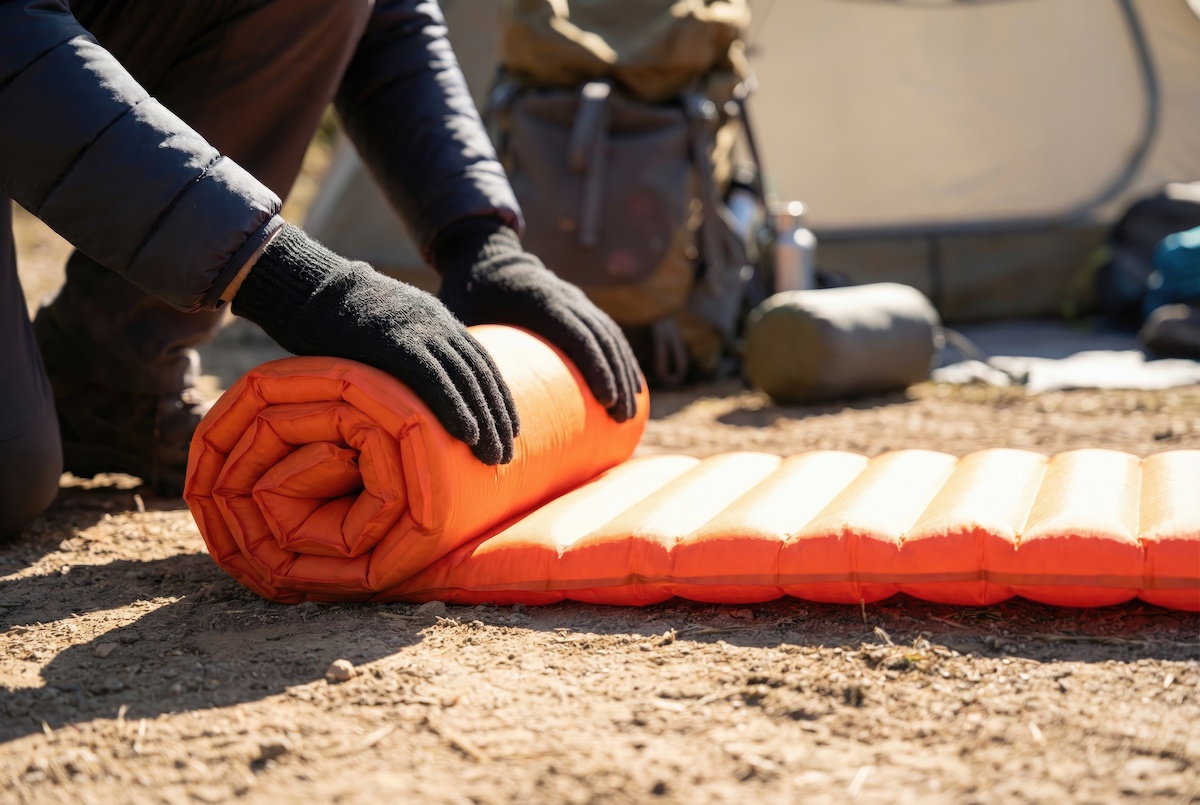
Finding the best sleeping pads for camping is critical to balancing a lightweight backpack and ensuring a good night’s sleep. For campers and hikers traversing the Pacific Crest Trail or pitching a tent in the Great Smoky Mountains, the difference between a restful night at a memorable campsite or a sleepless tussle with the unyielding ground can be a quality pad. This quest for comfort leads us to explore the best sleeping pads for camping in a variety of conditions and terrains.
The Importance of Choosing the Right Sleeping Pad
When embarking on an adventure through diverse landscapes, from the rocky trails of Zion National Park to the alpine meadows of Colorado’s Rocky Mountain National Park, selecting the best sleeping pad for camping can elevate your outdoor experience. Whether you’re a weekend warrior heading for a short escape or a seasoned thru-hiker tackling the Appalachian Trail, the right sleeping pad provides insulation, comfort, and durability.
Sleeping pads are more than just barriers between you and the ground. They offer thermal insulation, which is critical in maintaining body heat during chilly nights. The R-value of a sleeping pad, a measure of its thermal resistance, should align with the expected temperatures of your camping environment. Higher altitudes, such as those found on the John Muir Trail, demand an R-value above 3.5 for comfort during cold nights.
Types of Sleeping Pads: Find Your Fit
Understanding the three primary types of sleeping pads—closed-cell foam, self-inflating, and air pads—is essential when determining the best sleeping pad for camping. Each has distinct advantages suited to varying conditions and personal preferences.
- Closed-cell foam: The most rugged and lightweight, these pads like the Therm-a-Rest Z Lite SOL are ideal for those tackling rough terrain or engaging in ultralight backpacking. Their durability ensures reliability through challenging environments but often sacrifices plushness.
- Self-inflating pads: Combining open-cell foam and air, these pads provide both insulation and comfort like the Trail Pro by Therm-a-Rest. They are bulkier, appealing to car campers and those who prioritize convenience and cushioning, such as at Sequoia National Park’s campgrounds.
- Air pads: Providing plush comfort and compactness, models such as the Sea to Summit Ether Light XT offer the lightweight backpacker a cushy sleep surface. However, they can be more susceptible to punctures, a consideration on rugged trails like the Continental Divide.
Top Picks for Different Terrain and Conditions
When preparing for a trek across diverse environments, like those found in Grand Teton National Park or Acadia’s stony shores, gear flexibility is paramount. Here are some top contenders for the best sleeping pads for camping under various conditions:
Backpacking trips: For trails like the challenging Wonderland Trail around Mount Rainier, an ultralight, warm option like the Therm-a-Rest NeoAir XLite is a top pick. With an R-value of 4.2, it balances warmth with portability.
Cold weather camping: The Exped DownMat XP 9 excels in subzero conditions. Its down insulation provides an R-value of 8, ensuring warmth even on snow-covered grounds in areas like Yellowstone National Park.
Family and group camping: When comfort trumps weight, the REI Co-op Camp Dreamer XL caters to comfort seekers at campgrounds such as Yosemite Valley, offering substantial cushioning and an easy inflation system.
Insider Tips for Maximizing Sleeping Pad Performance
Field testing among seasoned outdoor enthusiasts offers a wealth of practical tips to enhance your camping comfort. Start by choosing your campsite wisely; seek level ground free of rocks and roots, as taught by veteran backpackers who frequent the Appalachian Trail.
Use a protective ground cloth or tarp to shield your pad from sharp objects, especially with air pads in rocky regions like New Hampshire’s White Mountains. Proactively addressing potential punctures by carrying a patch kit is a safeguard many backpackers swear by.
Consider the conditions of each trip. On hotter nights, such as those encountered on the desert trails of Utah’s Arches National Park, opting for a lighter insulation pad can prevent overheating. Conversely, in moist environments like Oregon’s coastal trails, a pad with robust insulation can help ward off the chills from damp ground.
Crafting Your Next Adventure
Choosing the best sleeping pad for camping reflects the unique demands of your adventure. From long-distance treks across the Sierra Nevada to tranquil evenings spent along the serene lakesides of Glacier National Park, the right pad invites you to rest and recharge under vast skies. Prioritize pads that align with your journey’s terrain and climate. By merging this intelligence with field-tested wisdom and gear insights, your path will not only become an adventure to be lived but a story to be cherished. Sleep well and journey on.