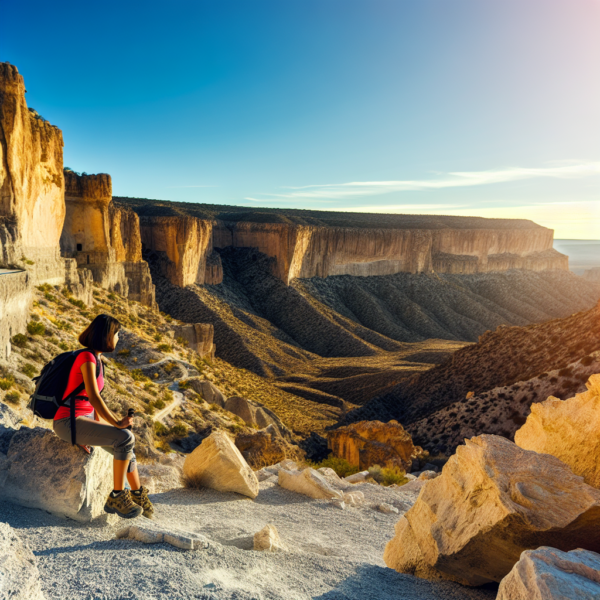
A hiking chest pack is a game-changer for any serious trekker. Every seasoned hiker knows that moment—you’re climbing a steep trail, sun beating down, when suddenly you need your map, a snack, or your camera. If your essentials are buried in your main pack, you’re likely to push on rather than stop. But skipping that pause can cost you a great photo, a much-needed snack, or even your orientation. A hiking chest pack keeps your vital gear front and center, allowing instant access without breaking stride. Whether you’re a thru-hiker, weekend explorer, or alpine mountaineer, this essential piece of kit offers both convenience and safety in the backcountry.
Why Choose a Hiking Chest Pack?
The primary advantage of a hiking chest pack is quick access. Worn across your chest or integrated with your backpack’s shoulder straps, this compact pouch is designed for fast retrieval. Store your phone, trail snacks, sunscreen, gloves, or GPS device where you can reach them instantly—no need to remove your main pack or struggle with tight hip belt pockets.
Consider the demanding 22-mile Rim-to-Rim trek in Grand Canyon National Park. With dramatic elevation changes and temperature swings, a well-designed hiking chest pack shortens critical response time. You can reach for salt tablets, hydration tools, or navigation aids on the fly. Long-distance hikers on trails like the PCT rely on this accessible gear to reduce motion strain and increase trail efficiency.
A hiking chest pack also contributes to better weight distribution, reducing shoulder and back fatigue—especially crucial on long slogs like Vermont’s Long Trail or the Colorado Collegiate Peaks Loop. In dense terrain like Oregon’s Wallowa Mountains or during winter treks in Utah’s Uinta range, having gloves, bear spray, or a compass within reach becomes a safety priority rather than a luxury.
Top Hiking Chest Packs You Can Rely On
Not all hiking chest packs are created equal. The best ones blend durability, weight savings, and thoughtful design. These standout models are field-tested favorites among backcountry travelers.
Hill People Gear Recon Kit Bag
This compact but rugged hiking chest pack is a longtime favorite among wilderness professionals. The Recon Kit Bag features a low-profile shape, durable 500D Cordura nylon, and laser-cut MOLLE panels. Offering 53 cubic inches of storage, it’s perfect for small electronics, maps, or even compact sidearms. A hidden rear pocket keeps IDs and survival tools discreet yet handy. Backcountry testers across Alaska and Utah praise its stability during scrambles and river crossings alike.
Osprey Daylite Chest Rig
Osprey brings innovation with this hydration-compatible hiking chest pack. Designed to integrate with core Osprey backpacks like the Exos and Aether lines, the Daylite Chest Rig offers 1L of water storage plus room for essentials. It was put through its paces on the rugged Lost Coast Trail in northern California, where quick access to tide charts and snacks proved critical. With adjustable harnesses and standalone functionality, it’s a smart pick for both day trips and extended treks.
Hilltop Packs Chest Pack
Ultralight hikers love this minimalist option, which tips the scale at just 2.6 ounces. Constructed from water-resistant Dyneema Composite Fabric, the Hilltop Packs chest pack keeps your must-haves dry—even on the rainy Enchanted Valley Trail in Washington. Though its capacity is limited, it’s ideal for carrying your phone, microspikes, or energy bars without impacting stride or base weight. For gram-counters, this hiking chest pack is hard to beat.
FHF Gear FOB Bino Harness Chest Rig
Originally designed for hunters, this rugged hiking chest pack has crossover appeal for trail users who need rapid modular access. Featuring a structured design with retention systems, this pack works exceptionally well for wildlife photographers or map users venturing off-trail. Tested in the backcountry of Glacier and Yellowstone National Parks, the FHF Gear FOB includes optional rangefinder or bear spray add-ons and remains comfortable for all-day wear thanks to padded mesh straps and drainage holes.
Essential Features to Look for in a Hiking Chest Pack
To find the best hiking chest pack, consider your physical needs and the terrain you’ll hike. Chest packs perform differently depending on climate, backpack type, and intended use. Here’s what to look for when choosing your next trail companion:
- Accessible Design: Choose packs with large zippers, magnetic closures, or clamshell openings for easy use—even with gloves on.
- Weatherproofing: In exposed areas like Colorado’s Four Pass Loop or Maine’s Bigelow Range, waterproof materials and taped seams are essential.
- Comfort Fit: Look for adjustable straps, breathable mesh backing, and ergonomic shapes. This is essential for long-mileage hikes to minimize core fatigue.
- Hydration Options: Choose a hiking chest pack with slots or sleeves for hydration tubes—helpful during short hikes where your main bladder stays stored.
- Customizable Gear Loops: MOLLE webbing, Velcro patches, or external loops allow easy integration of accessories, based on your hike’s demands.
Also test how your chest pack works with your primary backpack. Check for conflicts with sternum straps or hip belts, especially on rugged trails like California’s Trinity Alps where stability is critical.
How to Use Your Hiking Chest Pack Effectively
Maximizing the benefits of a hiking chest pack is about more than just carrying it—it’s about integrating it into your backcountry system. These tips will help you make the most of your gear in any environment:
- Be selective: Carry only your most-used items up front—your phone, map, emergency meds, or snacks. Avoid overloading this small space.
- Distribute weight: If your chest pack feels too heavy on climbs like the ascent of Mount Lafayette in New Hampshire, redistribute items or loosen tension cords.
- Watch for heat: On humid trails like Tennessee’s Fiery Gizzard, some chest packs may trap heat. Choose breathable models and rest often in high temps.
- Protect valuables: Store electronics in zippered or padded pockets. Avoid placing them in mesh areas that can snag or spill open on rough terrain.
- Stay organized after hours: Use your chest pack around camp as a pouch for toiletries, a hangable organizer, or even a makeshift pillow in a pinch.
Situations Where a Hiking Chest Pack Excels
In remote areas where decisions happen fast, a hiking chest pack offers strategic advantages. Whether caught in an Arizona monsoon on the Four Peaks Trail or surprising a black bear in the Smoky Mountains, quick access to essential gear matters. For vloggers documenting trips, hikers journaling trailside, or ultralight enthusiasts minimizing pack weight, a front-mounted gear system delivers streamlined simplicity.
The hiking chest pack shines on strenuous ascents in Colorado’s Sawatch Range, inside Utah’s winding slot canyons, or during scenic pauses on Oregon’s Eagle Creek Trail. With the right setup, everything you need—from hydration and navigation to creature comforts—stays within arm’s reach. That means fewer interruptions and more immersion in the wild beauty surrounding you.