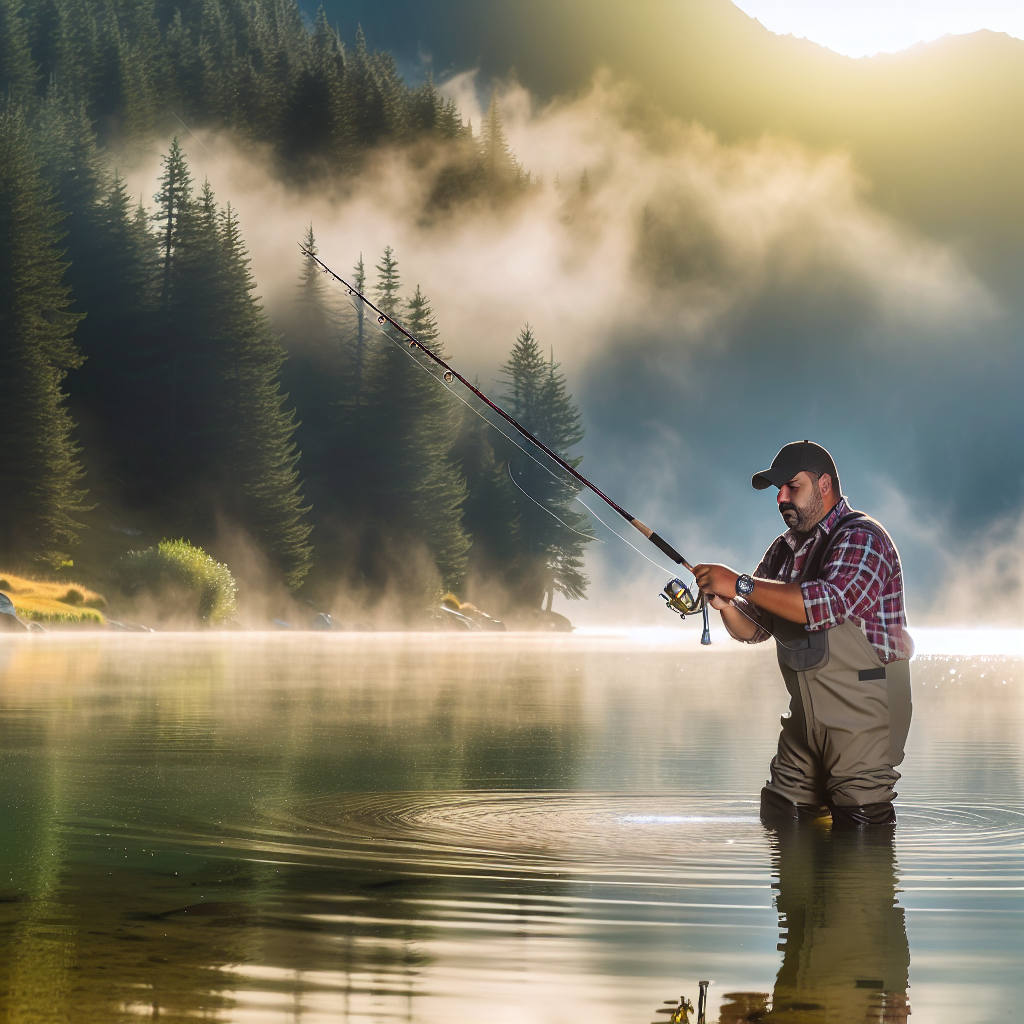
Ever wondered how to break a fishing record while standing ankle-deep in a misty lake at sunrise, rod in hand? You’re not alone. For many wilderness anglers, the dream of record-breaking fishing marries the thrill of exploration with technical mastery. Whether you’re casting along the granite cliffs of Alaska’s Bristol Bay or tracing trout in Colorado’s South Platte River, pursuing a fishing record requires more than chance. It demands preparation, strategy, and a deep respect for the wild places that hide the biggest fish. If you’re serious about setting records in remote, fish-rich environments, here’s exactly what you need to know.
Target Trophy Waters You Can Reach on Foot
Choosing the right location is essential when learning how to break a fishing record. Backcountry hikers and anglers know that remote fisheries often hold the oldest, largest specimens. These areas see little fishing pressure, allowing fish to mature naturally over time without constant disturbance.
Start your search in places known for producing outsized species. In Wyoming’s Wind River Range, alpine lakes above 10,000 feet house golden trout that often reach surprising sizes. Trek into Titcomb Basin (22 miles roundtrip, 2,300-foot elevation gain from Elkhart Park) for clear waters teeming with potential record-breakers.
Idaho’s Frank Church River of No Return Wilderness offers similar opportunities. The Middle Fork of the Salmon River supports large trout populations, reachable only via multi-day hikes or packraft journeys. The isolation helps fish flourish—and gives you a better shot without competing anglers.
If saltwater is your focus, look to the rugged stretches of Alaska’s Outer Coast. The Lost Coast Trail features 25-mile zones of untouched shoreline, where king salmon and halibut might come within casting distance. Use satellite imagery, topographic maps, and angler reports to locate promising waters along your route. Often, the key isn’t just locating fish—it’s going farther than others are willing to go to find them.
Understand Record Book Criteria and Regulations
Knowing how to break a fishing record means understanding the rules that define those records. Organizations like the International Game Fish Association (IGFA) and state wildlife agencies provide strict guidelines regarding length, weight, and documentation.
The IGFA requires detailed evidence: certified weight measurements, accurate girth and length readings, witness verification, and timestamped photos or videos. Likewise, many states have their own definitions for what qualifies. Some prioritize length; others require fish to be weighed on a certified scale within 24 hours. Understanding these criteria in advance is critical.
Carry the right tools: an IGFA-approved tape measure, a waterproof digital camera with timestamps, and a certified BogaGrip scale. Also bring a floating fish cradle to document your catch safely. Stow these tools next to your water filter—they’re just as important.
Make sure you also follow local fishing regulations. Some areas mandate catch-and-release practices for specific species or require barbless hooks. Failing to follow these rules could invalidate your record attempt or harm vulnerable fish species.
Pack Gear Built for Remote Record Hunts
Quality equipment matters when strategizing how to break a fishing record in the backcountry. You’ll need gear that’s lightweight but capable of handling trophy-size fish in demanding environments.
For trout, compact rods like the Tenkara USA Hane (only 20 inches collapsed) are ideal for minimalist packing. If you’re targeting heavier fish, an 8-weight four-piece fly rod such as the Echo Traverse Kit, paired with a sealed-drag reel and floating line, offers better control. Spin anglers should consider travel kits like the Okuma Voyager for strength and portability.
Line selection is just as vital. In rugged waters filled with rock shelves and submerged timber, opt for braided lines in the 20–40 lb range, paired with abrasion-resistant fluorocarbon leaders. Stock your kit with swivels, barbless hooks, split shot, and proven local lures: woolly buggers, Rapalas, or Mepps spinners, depending on your target species.
Don’t overlook footwear. Boots like the Altra Lone Peak All-Weather Mid offer waterproof protection and ankle support—critical for traversing slick shorelines and swampy passages. A record catch often requires traveling just a bit farther in rough terrain.
Practice Advanced Backcountry Fishing Techniques
Catching giant fish in wild environments often means outsmarting them. Your fishing skill, not just your gear, plays a big role in whether you succeed. Understanding advanced backcountry techniques can seriously tip the odds in your favor.
In alpine lakes, fish often cruise shallows during early mornings or directly after rainstorms due to increased insect activity. Timing your casts to these feeding periods increases your chances dramatically.
On remote rivers, focus on strong structural features: seams, undercut banks, and deep eddies. Big fish use these spots to feed while staying hidden. Practice roll-casting where overhead brush limits motion, and use one-hand spey casts on wider streams.
Stealth is another major factor. Wear neutral-toned clothing and polarized sunglasses, and always watch where your shadow falls. Some anglers even use scent-neutralizing sprays to minimize human odors that could alert scent-sensitive fish.
The more you blend in with your surroundings, the more likely you’ll be able to approach undetected—exactly what’s required for a successful record-breaking strike.
Ensure Safety and Practice Fish-Friendly Ethics
Chasing records in the wilderness demands a commitment to both personal safety and conservation. Knowing how to break a fishing record also means knowing your limits—and respecting the fish you’re trying to catch.
Always plan for the unexpected. Carry emergency communication devices like a Garmin inReach or ZOLEO satellite messenger. File a trip plan and let someone know your GPS coordinates and timeline.
Backcountry weather can change in minutes. A sunny afternoon in Colorado’s Weminuche Wilderness can become an icy storm quickly. Pack light but smart: include a rain shell like the Montbell Versalite, high-calorie snacks, and a thermal bivy such as the SOL Escape to handle unplanned overnights.
When you land a trophy fish, treat it with care—especially in regulated or catch-and-release zones. Keep the fish in water while photographing, use wet hands or gloves, and release it only when it’s strong enough to swim away. Conservation ensures these rare fish will thrive for the next generation of anglers.
Train, Track, and Stay Tenacious
Persistence is often the missing piece in understanding how to break a fishing record. One magic trip won’t do it. Schedule seasonal visits to your favorite backcountry waters. Analyze water temperatures, moon phases, insect hatches, and your own success rates through a dedicated angling journal.
Improve your physical conditioning. Hauling a 40-pound pack through uneven elevation severely tests your stamina. Train in the off-season with shoulder-strengthening exercises and short-day hikes, gradually adding cast practice on varied terrain.
Patience is the final ingredient. Most record chasers strike out several times before connecting with “the one.” But when your line tightens, your pulse races, and the water breaks around a fish like no other—you’ll understand why every step was worth it.
No journey through the wilderness guarantees a world-record catch. But the solitude, the self-discovery, and the pursuit of something epic make every backcountry angling trip unforgettable. In the end, mastering how to break a fishing record is as much about the process as it is about the prize.