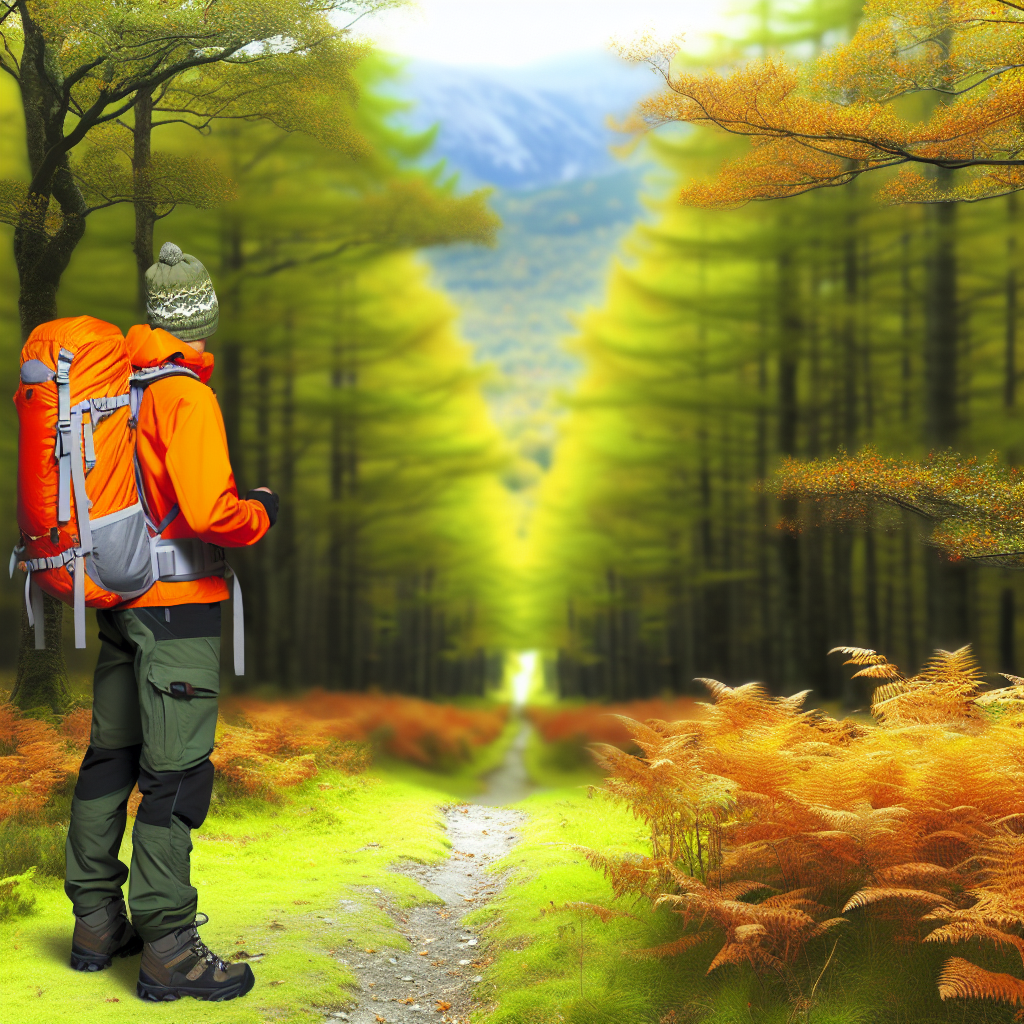
Blaze orange hiking gear is essential for anyone venturing into shared-use wilderness areas—especially during hunting season. It’s not just about standing out; it’s about staying safe. Whether you’re climbing a rocky ridge in Colorado or walking wooded loops in the Midwest, the unmistakable hue of blaze orange alerts others to your presence while keeping your outdoor experience secure and enjoyable.
Why Blaze Orange Hiking Gear Matters
When you’re a few miles deep into a backcountry trail or threading through a dense forest, visibility can mean the difference between enjoying solitude and encountering danger. Blaze orange hiking gear offers a smart, effective way to stay seen—crucial if you’re hiking during hunting season or in regions where thick vegetation limits sight distance. From the Adirondacks to the Appalachians, many trail systems intersect with active hunting areas, making this gear a must-pack item.
Often referred to as “hunter orange” or “safety orange,” blaze orange is among the most visible colors to the human eye while remaining minimally disruptive to wildlife. This color serves as a unified signal between hikers, hunters, and land stewards, dramatically reducing the likelihood of accidents. With modern outdoor brands offering high-performance products in blaze orange, incorporating this gear has never been easier—or more stylish.
Where and When Blaze Orange Is Essential
Blaze orange hiking gear is useful year-round, but its importance spikes during hunting seasons—many of which occur in fall and early winter. Trails that pass through national forests, state parks, and wildlife units often overlap with zones where hunting is permitted. That’s why it’s vital to check local hunting calendars and trail notices before heading out.
For example, Pennsylvania’s Allegheny National Forest enforces blaze orange regulations during firearms deer season—even for non-hunters. Trails like the North Country National Scenic Trail slice directly through high-use hunting zones. Likewise, the Seward Range Traverse in New York’s Adirondack Park coincides with late-season hunts in rugged terrain. Out West, areas like Wyoming’s Bridger-Teton National Forest see shared trail traffic during elk and deer hunting seasons. Even family-friendly trails, such as the Phelps Lake Loop, benefit from visibility-enhancing gear during these periods.
Essential Blaze Orange Hiking Gear for Safety
You don’t need to overhaul your entire gear closet to hike safely. Instead, add a few key blaze orange items tailored to your typical trail conditions. Choose durable, breathable, and layerable pieces that support you in unpredictable weather and terrain.
- Jackets & Vests: Lightweight jackets like the Patagonia Houdini in blaze orange or vests such as the Cabela’s Upland Soft Shell with blaze panels provide weather protection and visibility without bulk.
- Headwear: Since your head is often the most visible part of your body, pack a blaze orange beanie like the Smartwool Merino 250 or a mesh-back trucker hat for airflow during climbs.
- Backpacks & Rain Covers: Brands like Osprey offer blaze orange rain covers that also improve visibility. Some specialty packs include blaze panels built in—ideal for hikers who also hunt or explore remote zones.
- Accessories: Splash color onto gaiters, gloves, or even trekking pole flags. These accents help you stay seen—especially in terrain like Vermont’s Long Trail, where angles of sunlight can obscure low-profile gear.
- Dog Gear: Trail pets need visibility too. Outfit dogs with gear like the Ruffwear Track Jacket or clipped-on orange bandanas, letting them stand out from brush and leaves.
Look for technical fabrics like ripstop nylon, DWR finishes, and packable designs. In colder climates, opt for insulation topped with a blaze outer layer to ensure you stay warm and easily spotted.
Smart Hiking Strategies During Hunting Season
Wearing blaze orange hiking gear is step one—but responsible backcountry travel also involves smart planning. These safety tips help reduce risk and ensure you respect multi-use wilderness spaces:
- Time Your Hike: Avoid dawn and dusk when hunters are most active. Aim for mid-morning to early afternoon windows—especially on valley trails where wildlife movement draws more hunting interest.
- Stick to the Trail: Stay on marked paths such as Michigan’s Manistee River Trail or Virginia’s Triple Crown to minimize surprises and enhance predictability for other users.
- Make Noise: Periodic chatter, whistling, or calling out around blind turns gives hunters audible cues of your presence without scaring wildlife.
- Use Navigation Tools: Digital platforms like Gaia GPS, CalTopo, or OnX Hunt provide valuable overlays showing game units, private lands, and seasonal closures. Know where you’re stepping.
- Travel Together: Group hikes are safer and more noticeable. Multiple signals—blaze gear, voices, or movement—enhance group visibility.
- Leave a Trip Plan: Include your route, departure and return times, and basic gear list with someone at home or in a nearby town.
Consider carrying a backup safety device. Items like a personal locator beacon (PLB), satellite communicator, or whistle can be lifesavers in remote terrain with little to no cell coverage—especially in areas like Montana’s Bitterroot Mountains or Idaho’s Sawtooth Range.
Real Advice from Backcountry Experts
Experienced hikers agree: when the leaf drops and trails get quieter, blaze orange may be your most important piece of gear. Here’s what seasoned trail users recommend:
“On Vermont’s Kingdom Heritage Trail System,” says trail manager Kevin M., “we use blaze-colored flags on packs—especially in group hikes—because dense foliage can obscure even people a few feet apart.”
Backpacker Grace L. recalls, “I was in Tennessee’s Bald River Gorge in November wearing blaze, but my dog wasn’t. A hunter offered a spare vest and nudged me to always pack one for my pup. Now, it’s part of our non-negotiables.”
Pacific Northwest guide Mike E. adds, “In Gifford Pinchot National Forest, you might cross from a non-hunting zone into an active one mid-hike. I always stash a blaze rain shell—small, but a big safety upgrade.”
Stay Safe, Stay Seen: Blaze Orange as Smart Trail Protocol
In every forest, desert, or ridge we traverse—whether you’re in Georgia’s Chattahoochee National Forest or charting a high-alpine route in Montana—the responsibility to be visible lies with us. Blaze orange hiking gear is one of the simplest and most effective tools available for this purpose.
Before you head out, ask: Will someone see me from a distance? Is everyone in my group easily spotted through foliage? Keeping blaze orange gear in your kit ensures you’re not only trail-ready but also setting an example for safety-conscious, respectful wilderness travel.