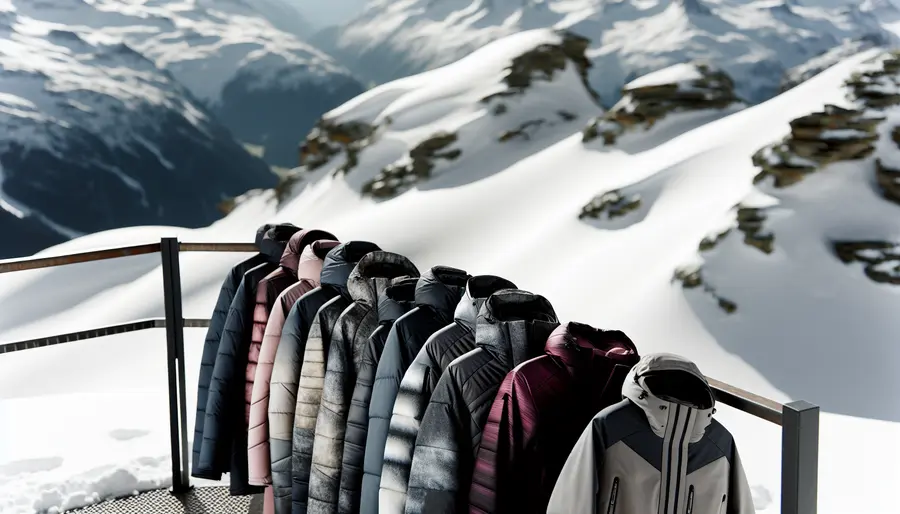
The best ski jackets are essential as the winter months approach, enveloping us in snow-filled mountains and crisp air. For those slicing through powdery slopes in Aspen or tackling trails in Chamonix, the right jacket is pivotal. This guide explores the essentials of outdoor gear, offering insights from both the breathtaking terrain and seasoned adventurers’ experiences.
Understanding Ski Jacket Performance
When selecting the best ski jackets, performance takes the lead. It’s about maintaining a microclimate between your body and the jacket, ensuring warmth and breathability. Performance is vital, whether skiing Macugnaga’s challenging descents or skinning up Utah’s Mount Timpanogos. A jacket like the Arc’teryx Sabre AR, with its hybrid Gore-Tex shell, offers durable waterproofing and crucial ventilation through core vents.
Movement is equally important. Jackets with four-way stretch materials, such as the Helly Hansen Odin Infinity, support diverse activities from alpine hikes to glacier traverses in the Alps. These materials ensure flexibility, so you can navigate steep switchbacks on the Pacific Crest Trail or explore the rugged Haute Route landscape.
Choosing Warmth without Compromise
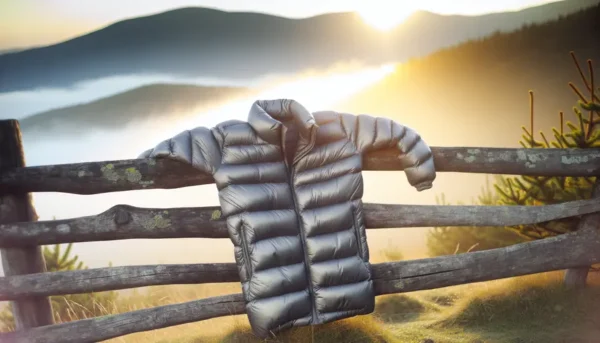
While performance is essential, warmth is what seals the deal for the best ski jackets. Understanding fill power is crucial, with higher numbers indicating loftier, warmer down. The Patagonia Primo Puff, filled with 800-fill goose down, provides exceptional insulation against frigid winds on Yellowstone’s backcountry trails.
Synthetic insulation offers another option, retaining warmth when wet – an important feature in unexpected squalls such as those at Whistler Blackcomb. The Columbia Whirlibird IV combines synthetic insulation with a thermal-reflective lining for enhanced heat retention without bulk, perfect for runs like Corbet’s Couloir.
Field-Tested Recommendations for Ski Jackets
Our assessments blend technical specs with trail-tested conditions, tapping into real-world experiences. On a trek down Dolomites’ Marmolada, the Marmot Spire stood out for its affordability and efficiency. Its three-layer NanoPro technology keeps climbers and skiers dry, even when icy winds whip across the ridge.
The North Face Triclimate series also provides versatility across all four seasons, ideal for navigating Vermont’s Long Trail during seasonal changes. Layer adaptability allows users to adjust to snowy lifts or spring puddle jumping by unzipping or attaching a padded liner.
Terrain-Specific Jacket Considerations
Specific jackets excel in different terrains and climates. Gore-Tex Active shells, like those in the Mountain Hardware Boundary Ridge, are ideal for high-output environments such as Alaska’s Denali. Here, constant movement requires breathable materials to prevent overheating.
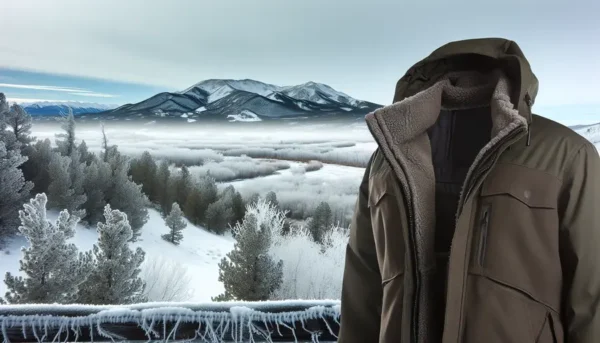
For colder, static environments – think of the Appalachian Trail’s snowy stretches – heavier, insulated jackets with windproof features abound. They ensure comfort during downtimes on chair lifts or while admiring Bavaria’s Zugspitze views.
Safety Practices and Ski Jacket Features
Safety often begins with preparedness. Modern jackets incorporate safety features like RECCO rescue reflectors for avalanche situations, crucial for backcountry lovers exploring places such as the Teton Range.
Pockets are essential for easy access to items like a trail map or emergency beacon. Jackets like the Spyder Leader GTX come equipped with multiple compartments and a helmet-compatible hood, vital for unpredictable terrains where weather can shift rapidly.
Trail Preparation and Optimal Gear Pairing
Preparation is key to a successful outing. Pairing your jacket with compatible base layers and mid-layers enhances both comfort and efficiency. A Merino wool base layer offers superior warmth, moisture wicking, and temperature regulation for scaling Mount Hood’s icy paths.
To maximize benefits, integrate your jacket within a layered system. The “layer and adapt” strategy works well for Arctic explorers and casual hikers alike. Alongside your jacket, having elevated hiking boots, durable gloves, and reliable trekking poles ensures readiness against the elements, regardless of altitude or latitude.
Armed with this distilled wisdom on the best ski jackets, whether traversing Patagonia’s jagged ridges or skiing Zermatt’s renowned runs, your gear will serve not just as protection but as a reliable partner in every outdoor adventure.