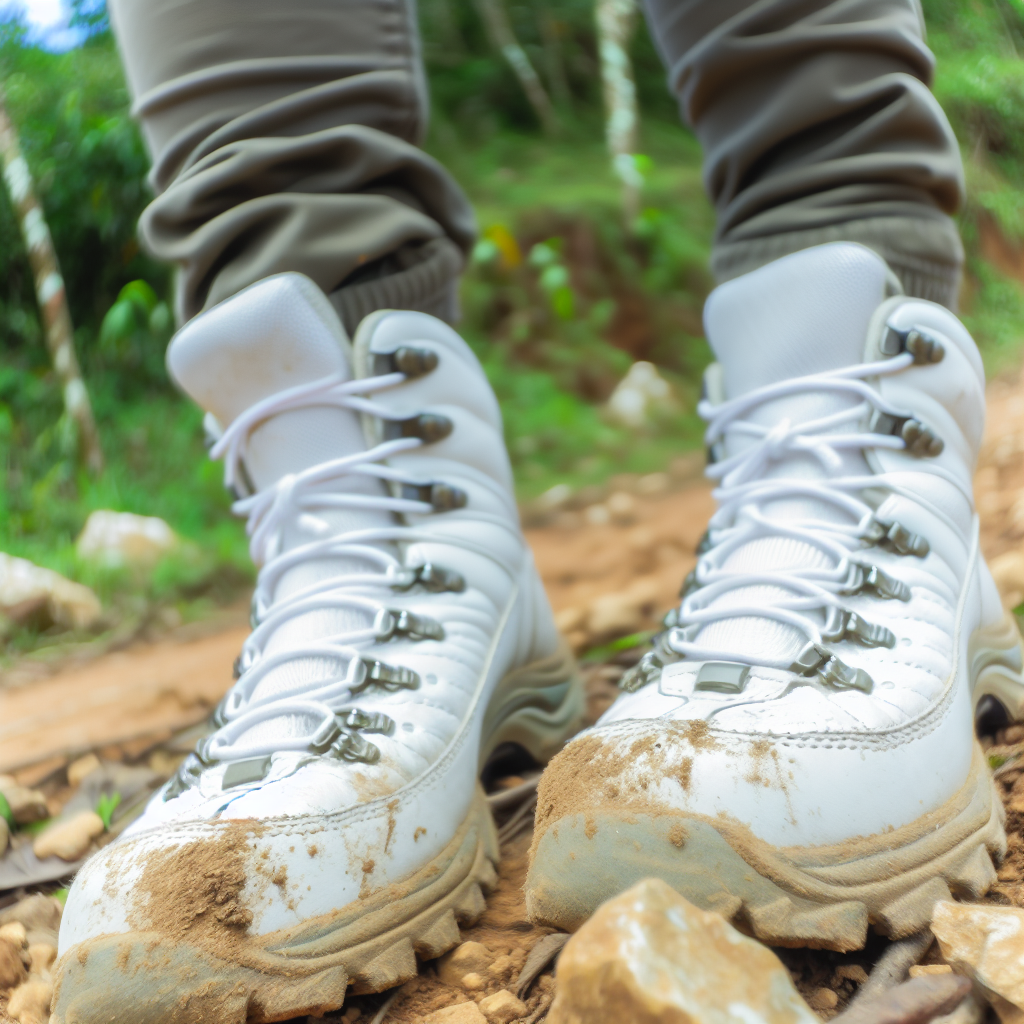
White hiking boots are making waves on the trail—and not just as a fashion statement. While hiking gear is usually all about function, there’s something undeniably stylish about crisp, clean footwear that performs across rugged terrain. With increasing popularity on outdoor forums and social media, white hiking boots are drawing attention. But do they make sense when you’re 10 miles deep in the backcountry? This article explores whether white hiking boots strike the right balance between performance and aesthetics.
Do White Hiking Boots Make Sense for Real Hiking?
At first glance, white hiking boots may seem like an impractical choice. Trails are messy by nature, and boots are meant to get dirty. Mud, rock dust, pine needles, and snow tend to leave their mark—especially on light-colored gear.
Still, top brands like Salomon, Columbia, and Danner are increasingly offering models in white and off-white tones. These boots stand out online and in person, but performance remains the real test. Across everything from Oregon’s muddy Tillamook Forest to Yosemite’s granite outcroppings, white hiking boots proved just as capable as their darker counterparts. Features like ankle support, breathability, waterproofing, and surface grip come from design—not color.
So, are white hiking boots practical? If we define that by durability, performance, and comfort across varied terrain, then yes. The main trade-off comes in upkeep. While darker boots conceal grime, white versions display their trail wear openly. Some hikers embrace this natural patina, while others might prefer a boot that hides scuffs.
Where White Hiking Boots Work Best
Trail choice can influence the longevity and comfort of white hiking boots. On sun-scorched trails like Arizona’s Superstition Ridgeline, the reflective surface of white uppers can reduce foot heat. Light-colored boots minimize sun absorption, offering a cooler option for hikes in Utah’s Grand Staircase–Escalante or other desert settings.
In snowy conditions, white hiking boots provide insulation without the heat pull of dark colors. On alpine routes like Colorado’s Sky Pond trail, boots with waterproof membranes and gaiters keep feet dry and cool while resisting water penetration. White blends into snow, which may reduce visibility during emergencies—so hikers should consider this depending on their environment.
Muddy terrain poses a bigger challenge. Areas like the Hoh Rain Forest in Washington or Vermont’s Long Trail will quickly stain white footwear. Still, modern models equipped with Gore-Tex, Vibram soles, and synthetic coatings hold up well, with the only difference being appearance, not function.
Trail-Tested White Hiking Boots in Action
On Oregon’s Timberline Trail, the white-and-gray Lowa Renegade GTX tackled 11 rugged miles around Mount Hood. Between scree slopes, water crossings, and loose pumice, these boots delivered reliability under a 35-liter backpack. The white uppers matched the performance of darker models, showing no weakness in sole grip or ankle stability—even after extended wear.
Further south, the On Cloudtrax boot debuted in California’s Angeles National Forest on a 12-mile round trip to Cucamonga Peak. Handling altitude, ice patches, and intense sun exposure, the boots remained breathable and comfortable. While dust and toe scuffs were visible during descent, a round of cleaning with Nikwax restored them for future hikes. Performance-wise, they were trail-worthy. Aesthetically, they held up—with a bit of effort.
What to Look for When Buying White Hiking Boots
Function takes precedence over color. While white hiking boots make a visual statement, choosing the right pair means evaluating essential performance features first:
- Traction: Deep lugs and grippy tread, like those from Vibram, improve safety on unpredictable terrain.
- Waterproofing: GORE-TEX linings and DWR treatments ensure feet stay dry—even in wet climates.
- Materials: Synthetic uppers respond better to white finishes and resist yellowing; treated leathers offer durability while avoiding stains.
- Fit & Support: Prioritize supportive arches, blister prevention, and ankle security over appearance.
- Weight: Some white models lean lightweight and modern, perfect for city-to-trail transitions, but less ideal for heavy-pack multi-day treks.
White hiking boots shine in crossover adventures—like a trail hike followed by brunch in Boulder or a photo-ready climb at Runyon Canyon. For long-distance expeditions like the John Muir Trail, cosmetic appeal fades fast. In those extreme cases, durability and repairability take priority over aesthetics.
How to Keep White Hiking Boots Looking Good
Maintenance is key if you want to keep your white hiking boots trail-ready and stylish. A single muddy trail day can leave light-colored boots heavily soiled, so consider the following care practices:
- Clean After Every Use: Remove laces and insoles, scrub gently with a boot cleaner such as Nikwax or Gear Aid, and rinse away buildup from seams and mesh areas.
- Air Dry: Let boots dry naturally in a shaded, ventilated area—don’t use heat sources, which can warp materials.
- Condition Leather: For leather models, apply conditioners specifically designed for white or neutral shades to preserve flexibility and prevent discoloration.
- Watch the Soles: White midsoles may yellow over time. Wipe them down after exposure to wet soil or trail minerals to retain their color.
- Use Gaiters: Gaiters or trail covers protect uppers in muddy or snowy terrain, keeping white hiking boots cleaner for longer.
Despite your best efforts, white boots naturally develop visible signs of adventure. While that can be part of their appeal, consider rotating them with darker pairs for especially dirty treks or long-distance hikes.
Should You Choose White Hiking Boots?
The best hiking boots aren’t just about performance—they also reflect who you are as a hiker. White hiking boots offer bold visual impact and modern flair for those balancing form with function. Their real-world capabilities are solid, provided you choose high-quality models with essential hiking features.
Hikers covering high-mileage backcountry routes—like those in Alaska’s Wrangell Mountains or Wyoming’s Wind River Range—will benefit more from performance-first features and low-maintenance materials. But for day hikers, weekend explorers, or those blending backcountry with downtown, white hiking boots offer something different: confidence, comfort, and style in every step.
Ultimately, it’s less about whether white hiking boots are practical and more about where and how you use them. Treat them well, choose the right model, and embrace the trail—even if it scuffs your soles. Because sometimes, that flash of white against red rock canyon walls or alpine snowfall is exactly why you laced up in the first place.