Camping Crocs have become the go-to camp shoes for many backpackers seeking comfort after a long day on the trail. Once the heavy hiking boots come off and your tent is pitched beneath mountain skies, nothing feels better than slipping into shoes that let your feet breathe. Whether you’re conquering rugged ridgelines or crossing chilly rivers, giving your feet a break is critical—and that’s where camping Crocs shine. But are they the best camp shoe choice for your next backcountry adventure? Let’s explore the pros, cons, and expert trail-tested insights.
Why Camp Shoes Matter in the Backcountry
Experienced hikers know that foot recovery is essential. After long hours in tough waterproof boots or tight trail runners, switching into breathable, lightweight footwear can make a huge difference in comfort and hygiene. Camp shoes like camping Crocs let blister-prone feet dry out, reduce the chance of dirt and bacteria entering your sleeping system, and provide much-needed relief at the end of the day. From icy stream crossings in the Enchantments to sunset stretches on the Colorado Trail, bringing a second pair of shoes pays off.
While flip flops, minimalist sandals, or barefoot-style shoes have been the norm, more backpackers now turn to camping Crocs thanks to their quick-drying foam, breathable design, and ultralight build.
Top Benefits of Camping Crocs on Trail
1. Lightweight and Easy to Pack
Weighing around 11 ounces for a men’s size 9, classic Crocs are lighter than most outdoor sandals. Their foam body compresses under pack straps or clips to the outside with ease—ideal for ultralight enthusiasts navigating routes like the John Muir Trail or High Sierra Loop.
2. Fast-Drying and Waterproof
Crocs are 100% waterproof, making them perfect for wet conditions. For river fords in the San Gabriel Mountains or campsite rinses near Havasu Falls, camping Crocs dry rapidly, keeping your feet comfortable and clean.
3. Breathable Comfort
The signature perforated style promotes airflow and cooling. After hiking miles in muggy conditions like Florida’s Ocala Trail or summer treks in Shenandoah, your feet will thank you for the breathable reprieve.
4. Multi-Functional Use
Campers love the versatility. Use camping Crocs for river crossings, side trails to alpine lakes, communal showers at popular campgrounds, or as casual shoes for trail towns. Their roomy fit and decent grip make them surprisingly functional beyond camp.
5. Budget-Conscious Option
Costing under $50, Crocs are a more affordable choice than premium sandals. For budget backpackers outfitting the whole family for trips to Yosemite’s High Country or Minnesota’s Boundary Waters, the price is right.
Potential Downsides of Camping Crocs
While practical, camping Crocs may not work for every situation. Here’s where they can fall short:
1. Limited Traction on Rough Terrain
For campsites involving scrambling or icy paths—think Glacier National Park or the Wind River Range—Crocs lack grip. Shoes with tougher outsoles, like Bedrock Cairns, perform better on slick or unstable surfaces where safety matters.
2. Bulky Dimensions
Though lightweight, Crocs don’t pack down small. Their fixed foam shape can make storage tricky, especially in tightly packed ultralight setups like those favored on the Pacific Crest Trail.
3. Not So Stylish
Let’s be honest—Crocs aren’t winning fashion awards. While thru-hikers don’t mind, some campers at more social campgrounds (like Mount Rainier’s Ohanapecosh) may prefer a sleeker alternative.
4. Cold Weather Discomfort
With minimal insulation, Crocs aren’t ideal in colder regions. Trips through New Hampshire’s White Mountains or shoulder seasons in the Rockies may call for warmer options, like down booties or insulated clogs.
5. Durability Concerns Over Time
The standard Croslite foam holds up well for casual use, but over time it can compress or puncture—especially on rugged volcanic terrain near Crater Lake or Bandelier. Consider the All-Terrain Crocs if your itinerary includes harsh environments.
Smart Tips for Using Camping Crocs
- Use for Water Crossings: Don’t risk wet boots—switch to Crocs for stream fords in Alaska’s Wrangell Wilderness or Oregon’s Eagle Cap.
- Add Wool Socks: In cooler temps, layer warm socks inside your camping Crocs. This approach works well on crisp fall nights along the Superior Hiking Trail.
- Clip to Your Pack: Use a carabiner to hang them outside your pack to dry. Their firm shape won’t damage while dangling over long miles.
- Upgrade for Rugged Use: Need more traction or tougher soles? Try the All-Terrain Crocs—the heel strap and deeper tread make a noticeable difference.
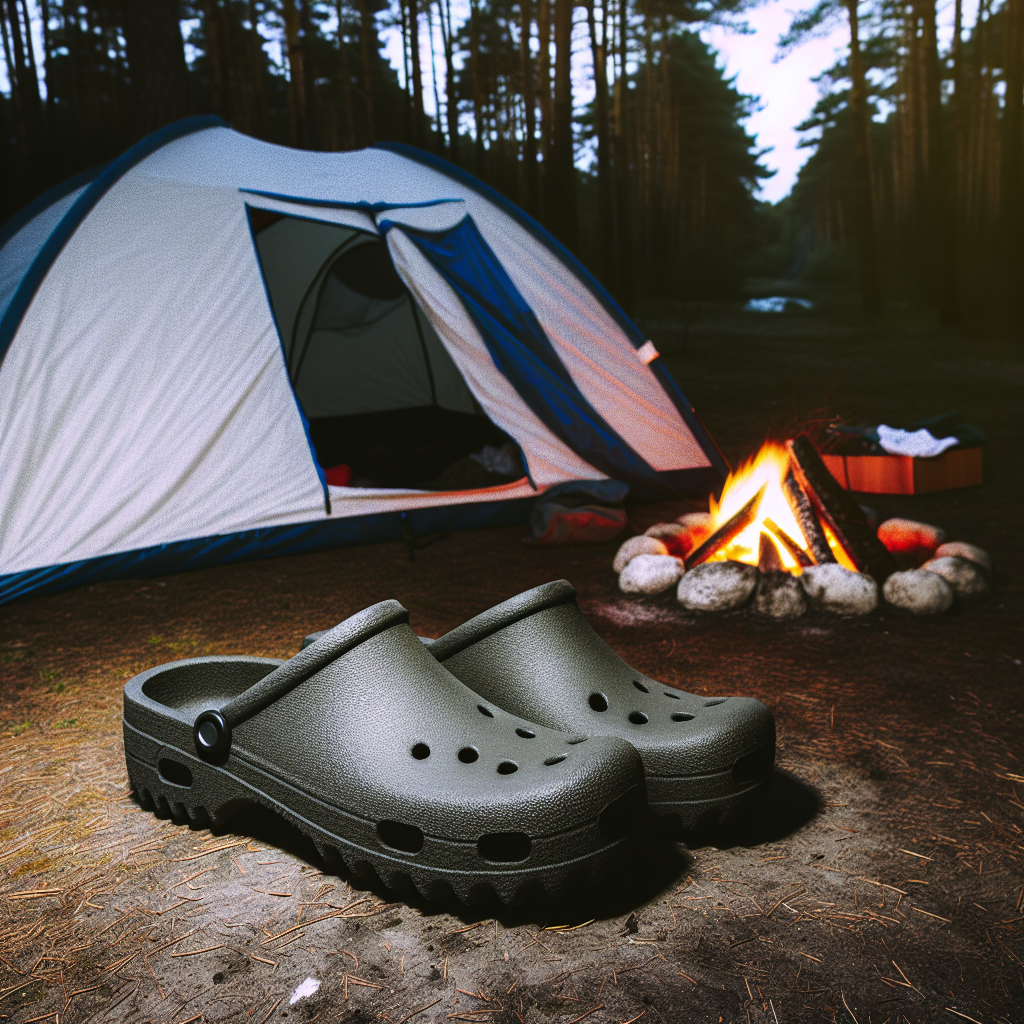
- Avoid Heat Exposure: Crocs deform near fires. Keep them well away from campfire heat, especially in high-heat areas like Joshua Tree or Big Bend.
Trail-Tested Favorites and Backpacker Insights
On the Pacific Crest Trail, thru-hikers often praise camping Crocs. “After 25 miles, sliding into those holes of heaven was the best part of my day,” said Sarah Kim, who backpacked Oregon’s sections in 2023. They’re also popular on Eastern routes like Georgia’s Benton MacKaye Trail or South Carolina’s Foothills Trail.
Families exploring short loops—like those near Rocky Mountain National Park’s Bear Lake—love them for their slip-on ease. In Utah, canyon guides choose Crocs for wet slot hikes through places like Peekaboo and Spooky Gulch to avoid bulky water shoes.
Wherever you roam—from epic thru-hikes to weekend loops—camping Crocs provide solid comfort at a reasonable weight and price. With thoughtful use and terrain awareness, they can be a valuable (and delightful) part of your backpacking kit.