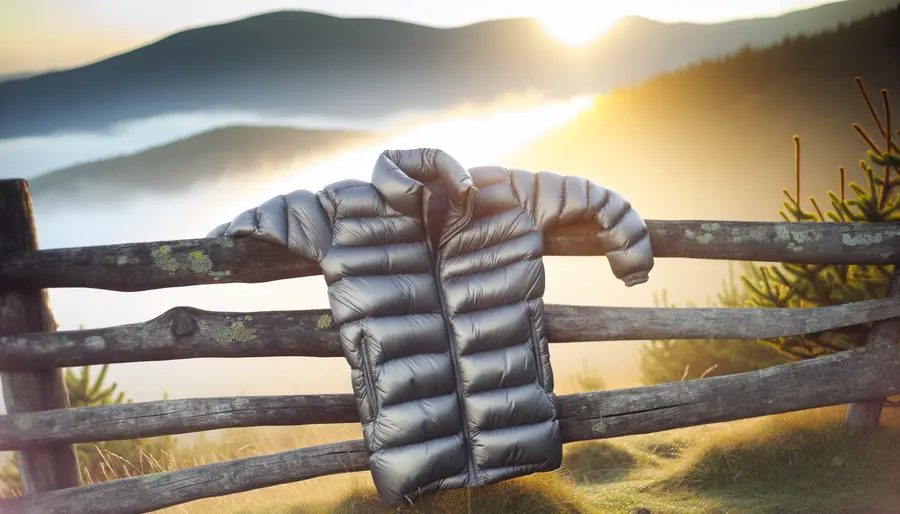
Down jackets are an essential staple in the realm of outdoor exploration. Whether you’re navigating the brisk trails of the Appalachian Mountains in October or stargazing on a chilly night in Yosemite, a reliable down jacket is your shield against the cold. For outdoor enthusiasts, understanding the nuances of these protective layers is essential. From fill power to weight and packability, selecting the best down jacket can significantly enhance your wilderness experience.
Understanding the Essentials of Down Jackets
Choosing the right down jacket starts with understanding its primary components: fill power, weight, and shell material. Fill power, often ranging from 600 to 900 in high-end models, indicates the down’s quality and efficiency. The higher the number, the better the insulation provided per ounce. This is crucial when hiking through alpine zones or tackling wind-swept ridgelines where warmth without bulk is essential.
Weight is another critical factor, especially for ultralight backpackers who meticulously shave ounces off their load. A jacket weighing 8 to 13 ounces often strikes a balance between warmth and packability. This is ideal for backpacking trips like the Pacific Crest Trail, where every gram matters over long mileage.
The shell material protects the down from moisture and abrasion. High-quality nylon or polyester shells, treated with durable water repellent (DWR), ensure that light rain or snow doesn’t dampen your adventure. Imagine a sudden snow flurry while summit-bagging; your down jacket should keep you dry until you can reach your shelter.
Top Down Jackets for the Adventurous Soul
When adventure calls, reaching for the right down jacket can mean the difference between comfort and a hasty retreat to basecamp. Brands like Patagonia, Arc’teryx, and Mountain Hardwear consistently deliver reliable options tailored for varying conditions.
The Patagonia Down Sweater offers a stylish and environmentally friendly jacket, with its shell and lining made of recycled polyester and the insulation ethically sourced. It’s a solid choice for fall hikes through Shenandoah National Park, where intermittent weather demands versatile gear.
For technical ascents or ventures into the unknown, the Arc’teryx Cerium LT Hoody provides a compelling mix of warmth and weight savings. Its strategic placement of synthetic insulation at moisture-prone areas makes it a formidable ally against the unpredictable elements of the Rocky Mountains.
If budget-conscious warmth tops your list, consider the Mountain Hardwear Ghost Whisperer 2. This jacket weighs a mere 8 ounces, making it an excellent companion for long-distance treks like the John Muir Trail. Here, weight savings are paramount, but warmth during high-altitude nights is non-negotiable.
Terrain and Conditions: Matching Your Down Jacket to Your Adventure
The choice of a down jacket should be informed by the terrain and conditions you expect to encounter. In areas like Colorado’s Front Range, where weather can shift dramatically within hours, having a lightweight and compressible jacket ensures quick adaptation.
In colder climates, such as winter treks across the White Mountains, opt for jackets with higher fill power and protective features like helmet-compatible hoods and extended hems for extra coverage against biting winds. Consider features like zippered handwarmer pockets or internal stash pockets for keeping your essentials close without exposing your hands to the cold.
For wet environments, like the trails of Washington’s Olympic Peninsula, consider pairing your down jacket with a waterproof shell. This dual-layer approach is advantageous in repelling rainfall without sacrificing core warmth, allowing you to comfortably explore the temperate rainforests.
Additional Tips for Maximizing Down Jacket Use
To prolong your jacket’s lifespan and performance, regular maintenance is key. During multi-day trips such as those found in the Boundary Waters, ensure your jacket is adequately aired out each night to prevent down clumping. Neglect can lead to cold spots and decreased insulation.
- When packing, use a compression sack to minimize space but be mindful of over-compression which can damage the down’s loft.
- Always dry your jacket thoroughly after exposure to moisture, using a dryer with tennis balls to fluff the down back into shape.
- Consider the addition of a lightweight buff or beanie, especially during frigid outings, to complement your jacket’s warmth.
Safety should remain a priority. Equip yourself with knowledge of hypothermia symptoms, particularly if venturing into high-altitude trails like the Continental Divide. Training your group in basic wilderness first aid can help prevent minor issues from escalating due to insufficient clothing.
Trail Preparation: Setting Off on Your Journey
Embarking on an adventure, especially during shoulder seasons where temperatures fluctuate, necessitates conscientious planning. Ensure you use a checklist to verify all critical gear, including your down jacket, is packed and appropriate for the linear mileage and elevation changes anticipated on your route.
Employ weather forecasting tools before and during your trip to adjust accordingly. Outfit your navigation with physical maps and a GPS, combining them with well-charged communication devices to adapt your plan if harsher conditions arise.
Finally, test your gear in controlled conditions before hitting the wilderness. Whether you’re maneuvering through the Grand Canyon’s South Rim or Appalachian switchbacks, understanding how your down jacket fits into your layering system can make the difference between an enriching journey and an uncomfortable endurance test.
A truthful preparation for hikes and explorations is influenced as much by the gear you carry as it is by the knowledge you hold. With the right down jacket, designed for your specific adventuring needs, you carry not only warmth but the confidence to embrace the unpredictable with grace and resilience.