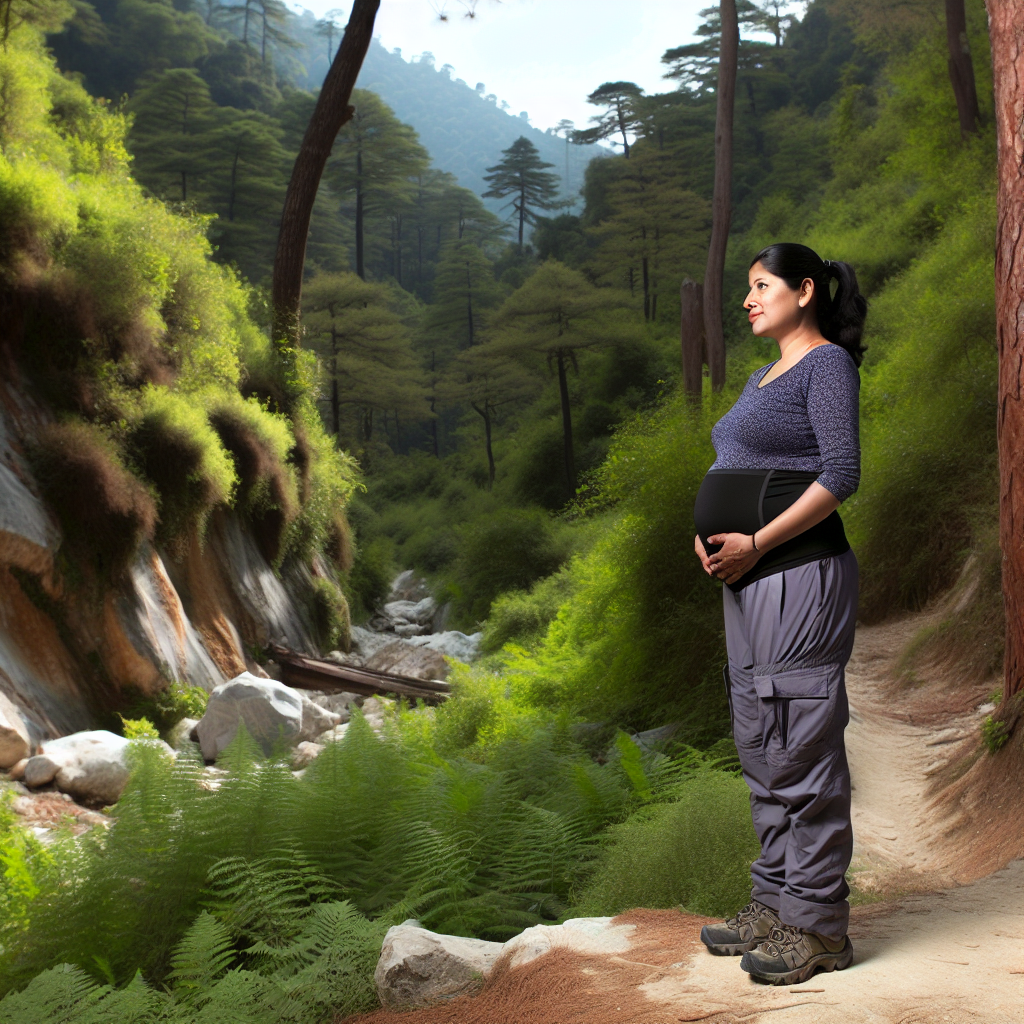
Maternity hiking pants are essential gear for active moms-to-be who refuse to trade adventure for discomfort. Whether navigating alpine ridgelines or strolling forest paths, the right pants provide support for a changing body while tackling the rugged demands of the trail. From sunlit switchbacks in Arizona to misty trails in the Pacific Northwest, these specialized pants help ensure every hike is a comfortable and confident journey.
Why Maternity Hiking Pants Matter on the Trail
As pregnancy progresses, everything about your hike changes—from your balance to your stamina. Trying to wear regular hiking pants past the first trimester can quickly lead to discomfort or even injury. With non-maternity gear, waistbands dig into sensitive belly zones, seams pull at widening hips, and sweat-wicking fabrics may not keep up with temperature swings or sudden hot flashes.
That’s where maternity hiking pants make a major difference. Designed specifically for expecting hikers, these pants offer breathable fabrics, belly support panels, and strategic compression to help stabilize shifting joints. On steep hikes like Mt. Galbraith in Colorado, the last thing you want is your waistband slipping with every step. In cooler environments—like Vermont’s Long Trail in early spring—layer-friendly, thermal maternity options become essential.
The right pants can turn frustration into freedom. Not all maternity gear is trail-tested, though. Some styles work best on flat, maintained loops, while others are built for scrambling over rocks or wet terrain. Evaluate for weather-fit, mobility, fabric, and reinforced zones based on the kind of trails you like most.
Top Maternity Hiking Pants for Outdoor Adventure
We’ve tested and analyzed popular brands across varied hiking environments—from Oregon’s Silver Falls to the exposed trails at Zion. Here are the top picks that deliver reliable comfort, support, and performance for pregnant hikers:
- Mountain Mama Trail Pants: A favorite among hiking moms, these pants feature a full belly panel and articulated knees. Perfect for longer hikes like the Skyline Trail in Washington, they’re water-resistant with zippered pockets and a slim, technical fit.
- Ingrid & Isabel Active Maternity Joggers: Lightweight and breathable, these excel on shorter, low-exertion trails such as Devil’s Bridge in Sedona. Their quick-dry fabric and soft, wide waistband accommodate changing shapes, though they’re not ideal for rugged backcountry routes.
- REI Co-op Flash Hybrid Maternity Tights: With water-resistant panels and a seamless belly design, these tights are a hybrid of comfort and function. Ideal for moist terrain like Emerald Lake in Colorado, they layer easily under rain gear and offer extra mobility for active hikers.
- Kindred Bravely Trailblazer Maternity Pants: These trail-tested pants combine reinforced seams, UPF 50+ protection, and lightweight performance fabric. They’re ideal for sun-exposed climbs and varied elevation hikes like the Bright Angel Trail in Arizona.
- Prana Halle Maternity Pant (Limited Release): Durable and breathable, this rare maternity version of Prana’s bestselling pants offers power mesh support and a flexible rise. These perform well in wet, brushy trails such as Hawaii’s Kalalau Trail.
Key Features to Look for in Maternity Hiking Pants
Choosing the right pair starts with evaluating their function, not just the fit. Here’s what to prioritize when shopping for maternity hiking pants:
- Belly Panel or Support Waistband: A wide, stretchy waistband or panel provides comfort and security without constriction. Some models also offer light compression for back support.
- Breathable, Moisture-Wicking Fabric: Lightweight synthetics like spandex-nylon blends help regulate temperature and wick away sweat efficiently. Avoid heavy or restrictive fabrics like cotton.
- Reinforced Knees and Seat: For hikers who sit, kneel, or scramble frequently, these durability upgrades are non-negotiable for long-term use.
- Functional Pockets: Deep, zippered pockets let you stash maps, snacks, or sunscreen without needing to remove your pack. Prioritize thigh or rear-access pockets for convenience.
- Stretch and Articulated Fit: Pants should move with your stride. Four-way stretch fabric and pre-shaped knees help avoid restriction during climbing or crouching.
Be sure to check sizing guides by trimester, and test the pants’ waistband rise before setting out. Nothing ruins a hike faster than a bad fit—especially on long trails like the Appalachian Trail in New Hampshire, where replacing your pants mid-hike isn’t an option.
Tips for Comfortable Hiking During Pregnancy
Even with the best maternity hiking pants, reaching the summit comfortably also depends on smart hiking strategies. Professional trail moms and OB/GYNs recommend the following for safe, enjoyable hikes while expecting:
- Hydrate Early and Often: Dehydration can creep up quickly during pregnancy. Carry an insulated bladder or stainless bottle—like the 3-liter Platypus Big Zip—on hot or dry trails such as those in Big Bend National Park.
- Adjust for Elevation Gain: Oxygen demands increase during pregnancy. For hikes over 8,000 feet, such as Yosemite’s Clouds Rest, plan frequent breaks and consider using a pulse oximeter to monitor your O2 levels.
- Reassess Mileage Expectations: A mild 5-mile loop may feel like a major effort later in pregnancy. Choose shaded options with gradual inclines and exit points—Dog Mountain in Oregon is a good early-pregnancy climb, but may be too intense in the third trimester.
- Use Trekking Poles: Shifting center of gravity affects balance. Poles aid stability and reduce joint strain by up to 25%, especially on downhills or uneven terrain. Bonus: they reduce fatigue and improve endurance.
As your pregnancy progresses, you may find more joy in shorter hikes like Colorado’s one-mile Maroon Lake loop or Wyoming’s moderate Taggart Lake Trail. With smart pacing and supportive gear, these outings can remain an energizing and safe way to stay active.
Choosing the Best Fit for Your Next Adventure
The best maternity hiking pants do more than stretch—they support you through every climb, bend, and shift along the trail. Designed for durability and adaptability, they ensure that comfort never gets left behind, even when elevation climbs do.
Whether trekking through wildflower meadows or edging along rocky ridgelines, having gear that supports your evolving body is key. You deserve to enjoy the trail on your own terms—and with the right pants, growing life becomes just another part of the adventure.