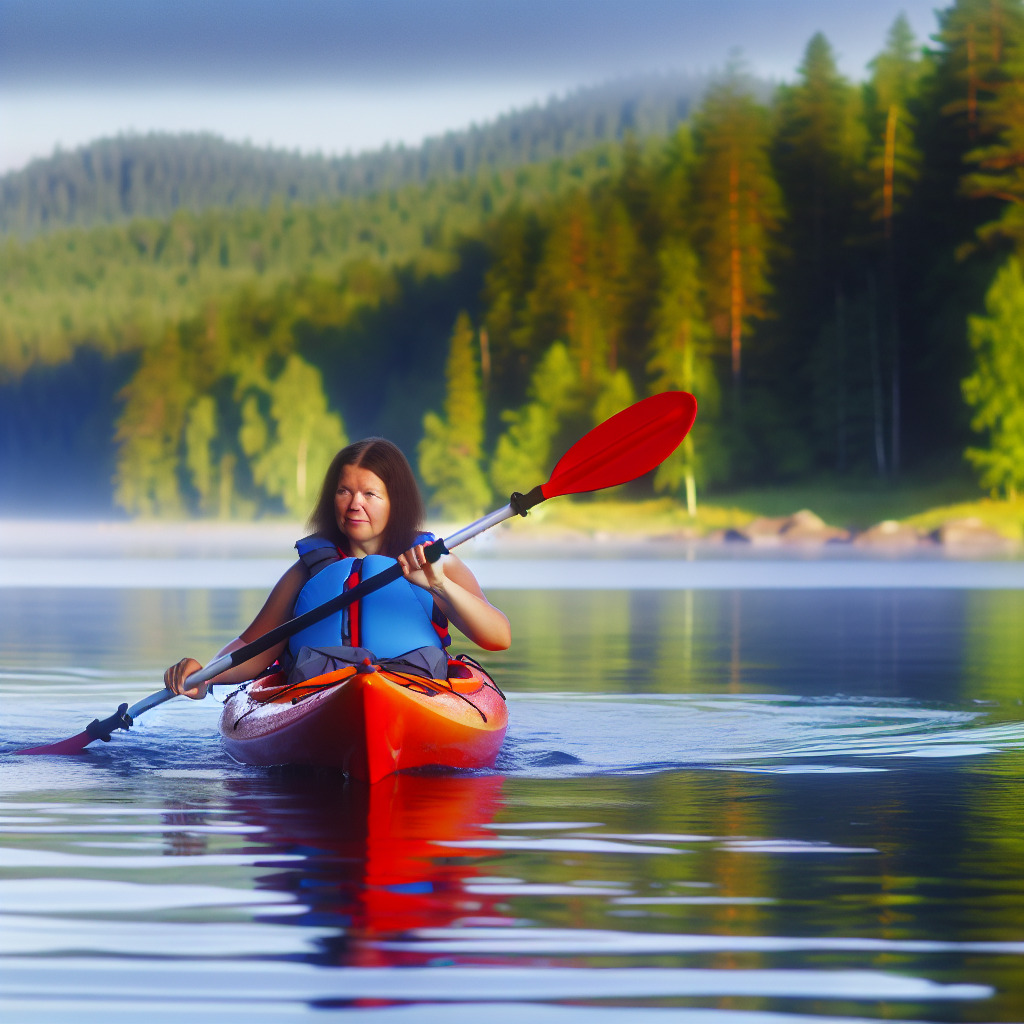
Beginner kayaking tips can unlock a hidden world of adventure for hikers, backpackers, and trail lovers looking to explore wild, water-bound destinations. While kayaking may appear tailored for seasoned paddlers and coastal veterans, it’s also a gateway to alpine lakes, remote river corridors, and serene coastal inlets—all accessible with a boat, paddle, and thoughtful preparation. If you’re curious about that first paddle but unsure where to begin, this guide will equip you with the knowledge and confidence to stay safe, have fun, and keep your adventures afloat. Whether adding paddling to remote trail routes or seeking family-friendly water escapes, here’s what every aspiring paddler needs to know.
Choose the Right Kayak for Your Adventure
One of the most important beginner kayaking tips is selecting the right vessel. Not all kayaks are made the same, and your choice should reflect both your paddling location and intended purpose. For calm lakes and slow-moving rivers, recreational kayaks—short (9–12 ft), stable, and easy to maneuver—are ideal. They’re excellent for casual day trips and transporting in smaller vehicles.
If you’re planning longer, gear-heavy trips like Utah’s Labyrinth Canyon, a touring kayak offers more storage and glide efficiency. Inflatable kayaks, like the Advanced Elements AdvancedFrame, are gaining popularity for their portability. These foldable boats are perfect for hiking into backcountry lakes like Minnesota’s Boundary Waters or Montana’s Bob Marshall Wilderness and excel for urban adventurers tight on storage space. Just remember—they can be affected by wind and must be dried properly to prevent mildew.
Whenever possible, demo a few kayak types at rental spots or national parks such as Lake Tahoe and Acadia. Testing helps you find the best fit and ensures better handling and comfort when out on the water.
Master Paddle Skills and Safety Fundamentals
Learning paddle basics is essential. Efficient technique boosts control, reduces fatigue, and makes your time on the water more enjoyable. Use your torso, not just arms, for the forward stroke—start by planting the paddle near your toes and draw it alongside your kayak. For turning, the sweep stroke (a wide arc away from the kayak) and reverse strokes become especially handy in tight spots like Florida’s mangrove tunnels or Oregon’s Cascade Lakes.
Among top beginner kayaking tips, practicing kayak edging—a slight tilt that enhances maneuverability—and self-rescue stands out. Learn to perform a wet exit (escaping a capsized boat) and a paddle float-assisted re-entry. These skills are especially important when solo paddling or exploring chilly, remote lakes.
Always wear a U.S. Coast Guard-approved personal flotation device (PFD). Options like the NRS Chinook or Stohlquist Trekker provide comfort, ventilation, and include storage for essentials like a whistle, snacks, and a knife. Safety gear isn’t negotiable—it’s lifesaving.
Dress for the Water, Not Just the Weather
Water temperature matters more than air temperature. If the combined air and water temperature is under 120°F, wear a wetsuit or drysuit. Cold water can trigger hypothermia quickly, even on sunny days. Prioritize clothing made from synthetics or merino wool—not cotton, which traps moisture and chills the body.
Wear quick-drying layers and a splash top, such as the Kokatat Jetty, to block spray and wind on exposed alpine lakes. Neoprene booties help with cold, rocky entries like those around Lake Louise, Alberta. For sun safety, add UV-blocking sunglasses with a strap, a wide-brimmed hat, and breathable sun gloves. And don’t forget waterproof sunscreen—even your legs get sun while paddling.
Plan Your Route with Safety and Awareness
Planning matters. One of the top beginner kayaking tips is building a route based on distance, weather, and water conditions. Lakes may look calm, but wind can shift rapidly. Monitor forecasts—12+ mph winds can create whitecaps and make progress difficult on exposed waters like Diablo Lake in Washington’s North Cascades.
When kayaking rivers, check USGS streamflow data before launching. A mellow float down Washington’s Yakima River can become dangerous under high spring flows. Identify all entry and exit points, and always alert a friend to your route and estimated return time.
Popular destinations like Lake Powell or Squam Lake may require planning around campsite availability and navigation markers. Paddling early offers smoother water, better wildlife encounters, and fewer crowds. Be aware of seasonal shifts—fall trips offer solitude but demand more gear and preparedness due to limited daylight and lower temperatures.
Essential Gear for First-Time Paddlers
A smart packing list ensures safety and comfort. For day trips, every kayaker should carry:
- Dry bags (5L–20L) for electronics, food, and spare clothes
- PFD and whistle (both mandatory in many parks)
- Map, compass, and a GPS app like Gaia or Paddle Logger
- First-aid kit, headlamp, and multi-tool
- Lightweight paddle leash to prevent loss in high winds
- Hydration, bug spray, lip balm, and waterproof sunscreen
Planning an overnight paddle in areas like Hells Canyon, Idaho? Add:
- Food storage systems (bear canister or bear bag setup)
- Small stove and cook kit such as the MSR PocketRocket Deluxe
- Lightweight tent and waterproof sleeping bag
- Water purifier or Dromedary bag
Pack heavy items low and centered to maintain stability. Label your dry bags to make setup and breakdown faster and more efficient—especially on sandbars at dusk.
Trail-Tested Advice from Kayak Veterans
The best beginner kayaking tips often come from experienced paddlers. Alex R., a backcountry ranger, mixes lake kayaking with hiking in California’s Eastern Sierra. “A collapsible kayak at places like Saddlebag or Tenaya Lake opens up isolated trailheads inaccessible by foot alone—start early and the shoreline solitude is unbelievable.”
In Alaska’s Kenai Peninsula, backpackers-turned-paddlers combine ocean kayaking with glacier hiking. Morgan L., a guide in Wrangell–St. Elias National Park, shares this: “Never let peer pressure override your instincts. Turning back due to wind or waves isn’t quitting—it’s wise decision-making that keeps you coming back.”
Nature rewards preparation and respect. Kayaking is more than a fun sidetrack—it becomes part of your outdoor identity. With gear dialed, skills sharpened, and a thoughtful plan, your paddle stroke will lead you deep into wild corners few others reach. From sunrise loons in Maine to sandstone cathedrals in Arizona, every trip becomes a story written on water.