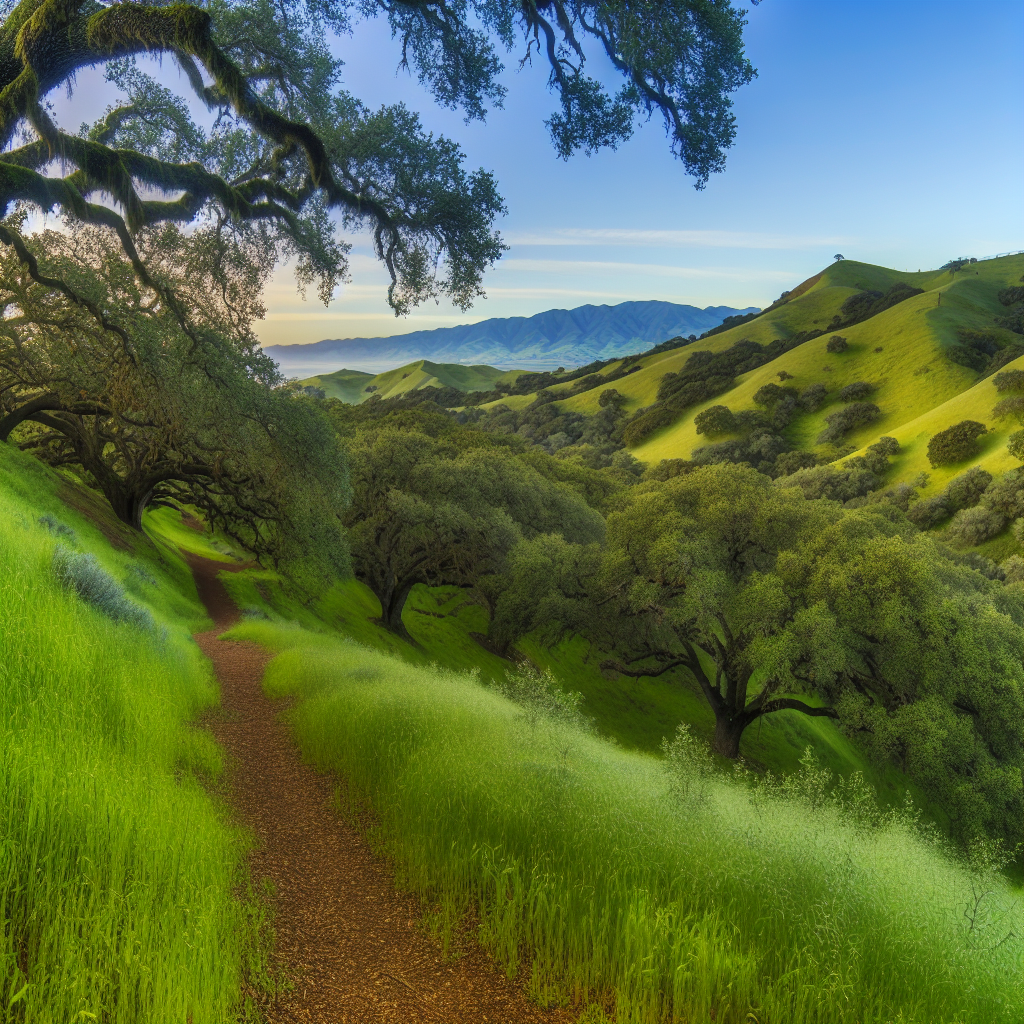
Fremont hiking offers nature lovers a thrilling escape into rugged ridgelines, oak-dotted slopes, and expansive wetlands—all hidden just minutes from Northern California’s urban bustle. Located in the San Francisco Bay Area, Fremont provides year-round access to a surprisingly diverse range of trails that cater to beginners, seasoned hikers, and families alike.
Thanks to the East Bay’s mild Mediterranean climate, Fremont hiking can be enjoyed throughout the year. From spring wildflower displays to clear winter trail vistas, every visit brings something new. Whether you’re birdwatching on flat marsh trails or scaling high peaks for panoramic views, Fremont’s trail network brings the perfect balance of adventure and accessibility.
Mission Peak Regional Preserve: The Must-Hike Fremont Summit
No discussion of Fremont hiking is complete without mentioning Mission Peak Regional Preserve. This iconic summit rises 2,517 feet above the East Bay and challenges hikers with a 6.2-mile out-and-back route from the Stanford Avenue Staging Area. With 2,100 feet of elevation gain, this trail rewards effort with stunning vistas reaching Silicon Valley, Mount Diablo, and on clear days, even Mount Tamalpais.
Be prepared for sun-exposed switchbacks and shifting conditions. Pack 2–3 liters of water, wear a windbreaker, and bring trail snacks with protein for stamina. Trekking poles are especially helpful for the descent. Avoid the peak-time crowds by arriving early—preferably before sunrise, especially on weekends. For a quieter route, experienced hikers can start from the Ohlone College trailhead using the Hidden Valley Trail connection.
Vargas Plateau Regional Park: Secluded Trails and Wildlife Views
Vargas Plateau Regional Park offers a tranquil alternative to high-traffic hiking destinations. Spread across 1,200 acres of upland grasslands, this under-the-radar gem features gentle elevation changes and wide-open views. It’s the perfect setting for spotting bobcats, golden eagles, and hawks soaring across the sky.
The go-to route here is the 4.5-mile loop combining the Peak and Loop Trails, with only about 600 feet of elevation gain. This trail stays quiet year-round but can become sticky after rain due to clay-heavy soil. Waterproof, mid-rise boots like the Salomon X Ultra 4 Mid GTX offer ideal protection for winter and early spring conditions.
Be sun-smart by wearing a brimmed hat and long-lasting SPF, as shade is limited. Download offline maps in advance using Gaia GPS or AllTrails Pro—cell service is often unreliable. This park is pet-friendly, so feel free to bring leashed dogs along for the adventure.
Sunol Regional Wilderness: Fremont Hiking’s Wildest Corner
Located just southeast of the city, Sunol Regional Wilderness feels like a remote backcountry escape and elevates the Fremont hiking experience. The standout route here, Canyon View Trail to Little Yosemite, is a 4.6-mile moderate loop passing waterfalls and massive boulders along a serene creek.
With light scrambling and rocky footing, this hike suits adventurous families or newer hikers ready to test their coordination. Wear tacky-soled shoes such as Merrell Moab 3s or Altra Lone Peaks, and use trekking poles for photo-heavy hikes—this spot shines at golden hour in late spring thanks to vibrant wildflowers.
Veterans looking for longer treks can try the Flag Hill–Boscell Loop, or even train for multi-day adventures on the Ohlone Wilderness Trail. This 28-mile trail spans from Mission Peak to Del Valle Regional Park, letting backpackers familiarize themselves with overnight gear in a semi-controlled wilderness setting.
Coyote Hills Regional Park: Birding and Bay Views
Prefer a soft-surface stroll with rich biological diversity? Coyote Hills Regional Park provides a radically different yet equally enjoyable Fremont hiking experience. Nested along San Francisco Bay, the park offers scenic, mostly flat trails near marshes, bridges, and boardwalks teeming with birdlife.
The 3.8-mile Bayview Trail loop is a favorite. With minimal elevation gain and hard-packed gravel trails, it’s ideal for beginner hikers, families with strollers, and trail runners easing into longer distances. The open landscape boasts sweeping views of the Dumbarton Bridge and expansive wetlands.
This popular sunrise destination becomes a migratory hotspot from fall through spring. Don’t forget binoculars and bug spray—mosquitoes can be persistent as temperatures rise. In wetter seasons, waterproof footwear like the HOKA Speedgoat 5 GTX ensures a comfortable, slip-free outing. Before or after your hike, stop by the Tuibun Ohlone Village Site for an educational perspective on the area’s Native heritage.
Hiking Fremont Safely: Tips for an Epic Trek
Preparing for a Fremont hiking trip involves more than selecting the right trail. To hike smart and safe, follow these essential gear and planning tips tailored to the terrain:
- Footwear: For steep climbs, choose lightweight boots with ankle support like the La Sportiva Nucleo High II GTX. On easier terrain, breathable trail runners like the Brooks Cascadia 17 excel.
- Navigation: Download digital maps in advance via AllTrails or Gaia GPS. Deep canyons and valleys often block cell signals.
- Hydration: Most Fremont trails lack water sources. Bring at least 1 liter per hiking hour. For emergencies, carry a compact filter like the Sawyer Micro Squeeze.
- Dressing for Weather: East Bay weather shifts fast. Wear wicking base layers and pack a lightweight rain shell, even during dry spells.
- Trail Etiquette: Stick to marked paths, avoid disturbing wildlife, and help preserve local ecosystems by carrying out any trash you bring in.
Discover the Diverse Beauty of Fremont Hiking
From wind-swept ridgelines at Mission Peak to wildlife-rich wetlands at Coyote Hills, Fremont hiking unveils some of the Bay Area’s most accessible and diverse outdoor adventures. Each park showcases a different facet of the natural world—whether you’re chasing summit views, serene solitude, or vibrant ecosystems.
Accessible, varied, and awe-inspiring, Fremont’s trails invite hikers to reconnect with nature regardless of the season. Grab your pack, tighten your laces, and explore the trail systems that make Fremont hiking an essential destination for outdoor enthusiasts of all kinds.