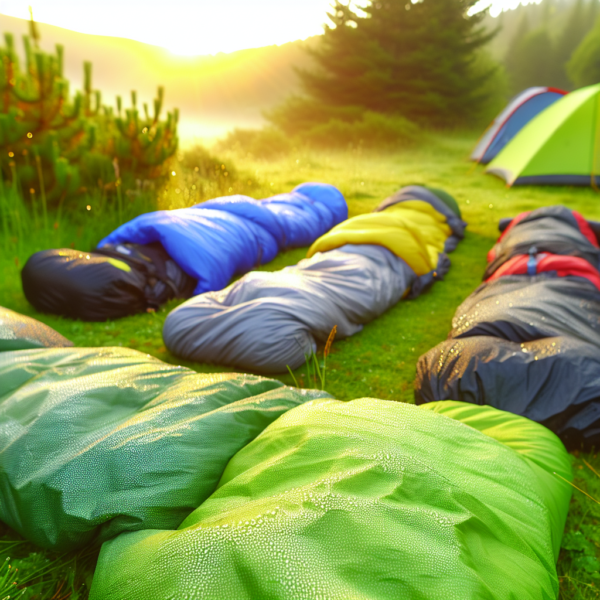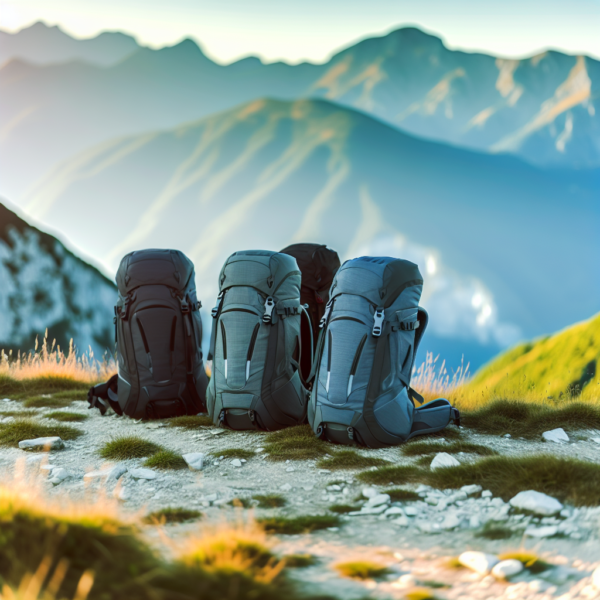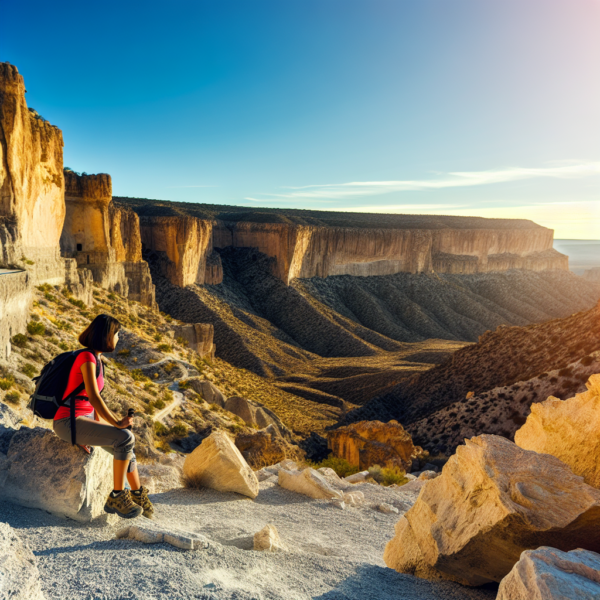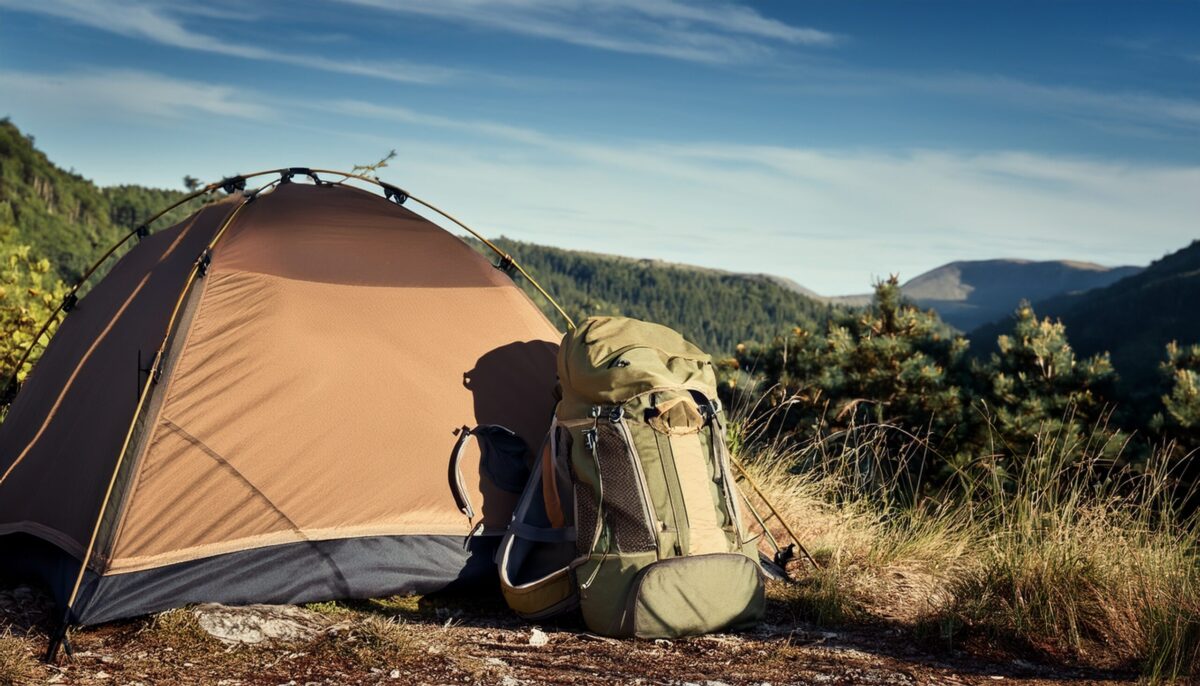
Choosing the best backpacking tents is essential the moment you step into the backcountry. When you’re miles from the nearest trailhead and far beyond cell service, your tent isn’t just gear—it’s protection, comfort, and peace of mind. The right tent keeps you dry through downpours in the Everglades, sturdy in alpine winds along the Teton Crest Trail, and compact enough to leave room for a bear canister on the Lost Coast. Whether you’re thru-hiking to shave ounces or planning a weekend escape into the wild, your shelter matters. Below, we’ve field-tested and curated the top tents for every trail type and budget to help you choose confidently.
Ultralight and Trail-Tested: Best Backpacking Tents for Thru-Hikers
On long-distance trails like the Pacific Crest Trail or Continental Divide Trail, every ounce counts. But shaving weight shouldn’t come at the cost of protection and comfort. These ultralight models strike that critical balance, making them popular choices among seasoned backpackers.
- Zpacks Duplex – Weighing just 18.5 oz, this two-person tent made from Dyneema is a favorite among ultralight purists. It’s non-freestanding and uses trekking poles to pitch, which requires some skill. Still, it stands up well to wind and rain, making it ideal for experienced long-distance hikers.
- Big Agnes Tiger Wall UL2 – At 2 lbs 8 oz, this semi-freestanding tent offers a great balance of comfort and minimal weight. Dual vestibules, strong waterproofing, and quick setup made it a standout on spring storms across Arizona’s AZT. Perfect for solo trekkers who appreciate roominess.
- Six Moon Designs Lunar Solo – Coming in at 26 oz, this single-wall tent is beloved by solo hikers seeking reliable performance on trails like the John Muir Trail. Its asymmetrical design provides ample interior space. Be sure to seam seal it before use to maximize waterproofing.
When tested on exposed ridgelines near Mount Whitney and during rainy stretches in the Cascades, these tents excelled. Each model emphasizes the strengths of the best backpacking tents for long-distance hiking: light carry weight, resilience under pressure, and night-to-night livability.
Mid-Range Champions: Reliable Backpacking Tents for Frequent Adventurers
Weekend warriors and multi-day explorers need gear that delivers comfort and reliability—without emptying their wallets. These mid-range options walk the line between ultralight innovations and budget-friendly durability, thriving on classic trips like Colorado’s Four Pass Loop or the Art Loeb Trail.
- REI Co-op Half Dome SL 2+ – While heavier at 4 lbs 13 oz, this tent is designed for stability and spaciousness. It breezed through tests in Idaho’s Sawtooth Wilderness withstanding 40 mph gusts. Extended vestibules and generous headroom make it ideal for two hikers plus gear.
- NEMO Hornet 2P – Lightweight at 2 lbs 6 oz, the Hornet offers a smart balance of minimalism and comfort. It’s snug for two, roomy for one, and performed well on the Wind River High Route. Excellent ventilation further enhances trail-night sleep quality.
- MSR Hubba Hubba 2 – Durable, four-season-capable, and weighing just under 3.5 lbs, this tent shines across varied conditions. Tested in Glacier and Yosemite, it impressed with fast setup, dual vestibules, and upgraded waterproofing—justifying its $480 price point.
Backpackers trekking through regions like Maine’s Bigelow Preserve or Utah’s Uinta Mountains will appreciate these tents’ dependable weatherproofing, livable interiors, and mid-range pricing. They rank high on lists of the best backpacking tents for regular-use hikers looking for long-term value.
Budget-Friendly Picks: Best Backpacking Tents for New Hikers
A solid shelter doesn’t have to cost a fortune. If you’re new to backpacking or planning gentle overnights in places like Shenandoah or Michigan’s Porcupine Mountains, you can hit the trail confidently with a reliable, affordable tent. These models have been trail-tested to ensure you’re not trading safety for savings.
- Naturehike Cloud-Up 2 – Just over 3.5 lbs and priced under $200, this budget standout performed admirably in the Smokies. Though its breathability lags behind higher-end models, it remains a favorite among beginner backpackers and budget-focused solo hikers.
- ALPS Mountaineering Lynx 1 – Weighing 4 lbs 4 oz, this $160 tent delivers dependable performance for single-night trips. Easy setup, thanks to its single-pole design, and solid wind resistance make it a great choice for new backpackers exploring broken terrain like Franconia Ridge.
- REI Co-op Trail Hut 2 – At 5 lbs, it’s best for short trips, but its footprint and durable components add long-term value. During testing on Oregon’s Timberline Trail, it shrugged off light snow and wind. Great for new couples, scouts, or anyone trying their first backcountry weekend.
These affordable options excel across varied terrains—from forested ridges to alpine meadows—and uphold key features like easy pitching, basic comfort, and weather protection. All three earn their spot among the best backpacking tents for budget-conscious travelers and trail newcomers alike.
Field Tips for Choosing the Best Backpacking Tent for Your Trail
Even the most advanced tent won’t perform well if mismatched to the trail. Elevation, climate, and duration shift your needs quickly. Follow these expert insights to guide your selection:
- Wind-Exposed Zones: Choose low-profile, freestanding options with strong pole architecture—essential in open ranges like the Teton Crest.
- Consistent Rain: Go for shelters with durable waterproofing and bathtub-style floors. Seam resealing may be necessary after extended storage or heavy use.
- Quick Setup: After a long day, freestanding tents like the MSR Hubba that use color-coded poles save time and frustration in failing light or changing weather.
- Interior Dimensions: For duos hiking exposed routes, prioritize space that fits both sleeping pads side-by-side to avoid cramped conditions and maximize body warmth.
- Ventilation: In humid zones like the Cranberry Wilderness, high-low vent systems prevent soggy interiors due to overnight condensation buildup.
Don’t overlook trail luxuries—features like dual entries, interior pockets, or gear lofts may seem minor but significantly enhance comfort on multi-day journeys.
Find the Best Backpacking Tent for Your Next Adventure
From tackling Mount Katahdin to wandering canyons in Escalante, your tent will profoundly shape your trip. The best backpacking tents become invisible during your hike because they carry light and assemble fast. But they shine when weather hits hard, keeping you warm, dry, and well-rested under starry skies.
Always test your tent before your trip. Verify guylines, pitch in the backyard, and practice setup in dusk conditions. Whether journeying through the North Cascades or camping under Joshua Tree’s desert moonscape, reliable shelter transforms the outdoors into your second home.