Brunost and hiking go together like trail mix and summit views. Discovering this uniquely Norwegian cheese as a compact, energy-rich trail snack can completely change how you power your adventures. With its caramel sweetness, shelf-stable durability, and satiating richness, brunost has earned its stripes from Norway’s alpine trails to the backcountry of the American West. Whether you’re pushing through snowy ridgelines in Rondane or sweating through Utah’s desert highlines, this little brown block might just be your new favorite trail fuel.
Brunost 101: What Makes It Ideal for Outdoor Adventures?
Also known as “brown cheese,” brunost is a traditional Norwegian product made by slowly boiling whey, cream, and milk until it caramelizes into a sweet, fudge-like block. It’s not technically cheese in the classic sense, but its flavor and performance on the trail are unmatched.
Brunost offers a unique flavor that combines sweet, nutty, and salty notes—rich enough to satisfy but never overwhelming. It’s somewhere between dulce de leche and mild cheddar, making it a complex, enjoyable treat during long treks. But beyond taste, here’s why brunost is a trail champ:
- Energy-rich: About 100–120 calories per ounce, packed with slow-release fats and complex carbs for sustained output.
- No refrigeration needed: Brunost holds up for days—or even weeks—without spoiling, even in warm weather.
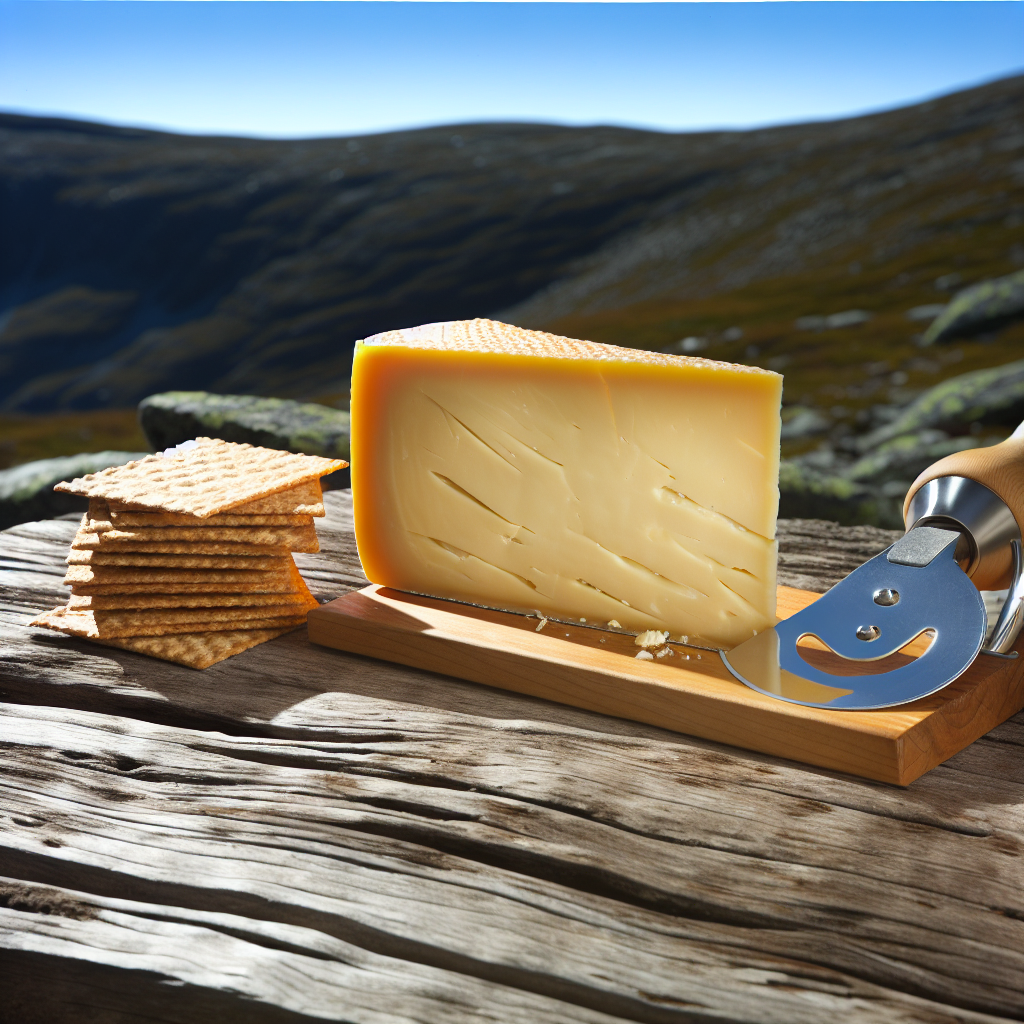
- Portable and multipurpose: Compact blocks yield multiple servings—enjoy with crackers, stirred into oatmeal, or even swirled into coffee.
- Flavor revitalizer: After days of bland meals, brunost’s creamy sweetness shakes up your palate in the best way.
For Scandinavian hikers, brunost has long been a reliable trail companion. And with more trekkers outside Norway discovering it, brunost and hiking are becoming an international pairing.
Trail-Testing Brunost: Field Notes From Norway to the Rockies
My initiation into brunost happened during a windswept trek along Norway’s iconic Besseggen Ridge in Jotunheimen National Park. Halfway through the nine-mile route, I traded snacks with a local family resting on a granite outcrop. They passed me flatbrød topped with a delicate slice of brunost. The moment it hit my tongue, I got it: caramel-salty-smooth bliss that powered me through another two mountain passes.
Since then, brunost has joined me on trails across the globe—like the John Muir Trail in California’s High Sierra, where I tucked 250g vacuum-sealed blocks inside my bear can. Even under the intense Yosemite heat, the cheese stayed firm and delicious, gaining a bit of softness without melting or spoiling. As a high-calorie, morale-boosting snack, brunost became a daily ritual.
In places like Sweden’s Kungsleden and Norway’s Rondane National Park, brunost is built into hut-life culture. At staffed DNT cabins, it’s offered with breakfast porridge or lefse—energizing and symbolic of homegrown mountain cuisine.
How to Pack and Use Brunost on the Trail
When curating your backcountry food plan, brunost and hiking make a strong case for skipping melt-prone chocolate or sugary protein bars. Here’s how to integrate it seamlessly into your kit:
- Block it out: Pack 250g or 500g blocks (TINE Gudbrandsdalsost is widely available online). Wrap in wax paper or beeswax wrap and store it in a dry section of your food bag.
- Slice efficiency: Use a compact wire slicer or backpacker-friendly cheese planer to prepare thin servings on the fly.
- Flavor pairings: Pair with crispbreads, smoked meats, dried fruit, or jerky. Brunost’s caramelly profile complements both sweet and savory flavors.
- Trail breakfast boost: Drop a cube into hot oats or morning coffee for a caramel-latte effect with functional calories.
Even in unpredictable climates like the Uinta Highline Trail or humid sections of the Appalachian Trail, brunost remains stable. Unlike many cheeses, it doesn’t sweat, spoil, or separate under pressure, making it ideal for diverse conditions.
Brunost on Day Hikes and Multi-Day Expeditions
For short mountain loops or full-pack backpacking trips, brunost pulls its weight. On a brisk fall hike in the Lost Creek Wilderness of Colorado, I brought snack-sized brunost cubes, pairing them with crisp apple slices and sourdough crisps. At 10,000 feet, their dense energy and soul-warming sweetness were a gamechanger.
Over multi-day treks in rugged places like the Wind River Range or Sawtooth Wilderness, brunost becomes more than a snack. Stir slivers into couscous, freeze-dried meals, or instant polenta to add comfort and richness. Its sweetness balances tart trail fruits like cranberries and apricots. With about 4.5 calories per gram, brunost is a high-yield food for weight-conscious hikers.
Families will appreciate its kid-friendly taste, too. Slice into cubes and pair with almonds and raisins for an easy, utensil-free mini-meal. It helps picky eaters stay fueled and engaged with meals in the wild.
Smart Storage and Safety for Brunost in the Backcountry
Though stable, brunost still requires some common-sense planning to keep it fresh and tasty:
- Keep it moisture-free: Wrap securely and stash in a Ziplock or ultralight jar to protect from wet weather or pack condensation.
- Avoid hot spots: While heat-tolerant, it’s best to shade brunost inside your pack to preserve taste and texture.
- Bear-aware: In bear country, always store brunost with other scented items in a bear canister or hang bag.
- Resupply timing: Only bring a few days’ worth unless you’re hiking near cold storage or plan to resupply mid-trek.
Consider bringing a small cheese slicer or stiff plastic utensil to portion brunost cleanly. And in soggy spots like the Pacific Northwest’s Enchantments or Scotland’s Knoydart Peninsula, a waterproof storage container helps maintain its integrity.
Brunost and Hiking Are a Natural Fit
Unlike many trail foods that serve a function but fail to inspire, brunost stands out. It combines cultural heritage, mouthwatering flavor, and real utility for the modern hiker. Whether you’re traversing alpine scrambles or savoring lakeside breaks, this quirky block of brown magic offers more than just calories—it offers comfort, consistency, and a taste of something delightfully different.
So next time you plan a trek, don’t just think protein bars and jerky. Grab some brunost instead. Adventure is better with flavor—and brunost and hiking were made to go the distance together.