Hiking with flat feet doesn’t have to mean ending your trek with aching arches and burning soles. The key to minimizing pain and maximizing trail enjoyment is selecting the best hiking shoes for flat feet. Whether you’re climbing the switchbacks of the Appalachian Trail or exploring relaxed loops like Oregon’s Trail of Ten Falls, wearing properly designed footwear ensures support, comfort, and improved endurance. In this guide, we’ll explore the top hiking shoes for flat feet, essential shoe features to consider, and expert-backed trail strategies to keep your feet happy mile after mile.
Understanding Flat Feet and Hiking Requirements
Flat feet—also known as fallen arches—occur when the arch of the foot collapses, allowing the sole to almost fully contact the ground. This condition often leads to overpronation, where the feet roll inward excessively. For hikers, this can cause discomfort, lead to injuries, and create alignment issues through the ankles, knees, and hips. That’s why the best hiking shoes for flat feet emphasize arch support, structured stability, and long-mileage cushioning.
Minimalist shoes may work in urban environments, but they often fall short on rugged trails. For hikers navigating elevation changes—like those found in Colorado’s Indian Peaks Wilderness—structured insoles and firm midsoles are essential. They provide support and reduce the strain of long climbs and descents.
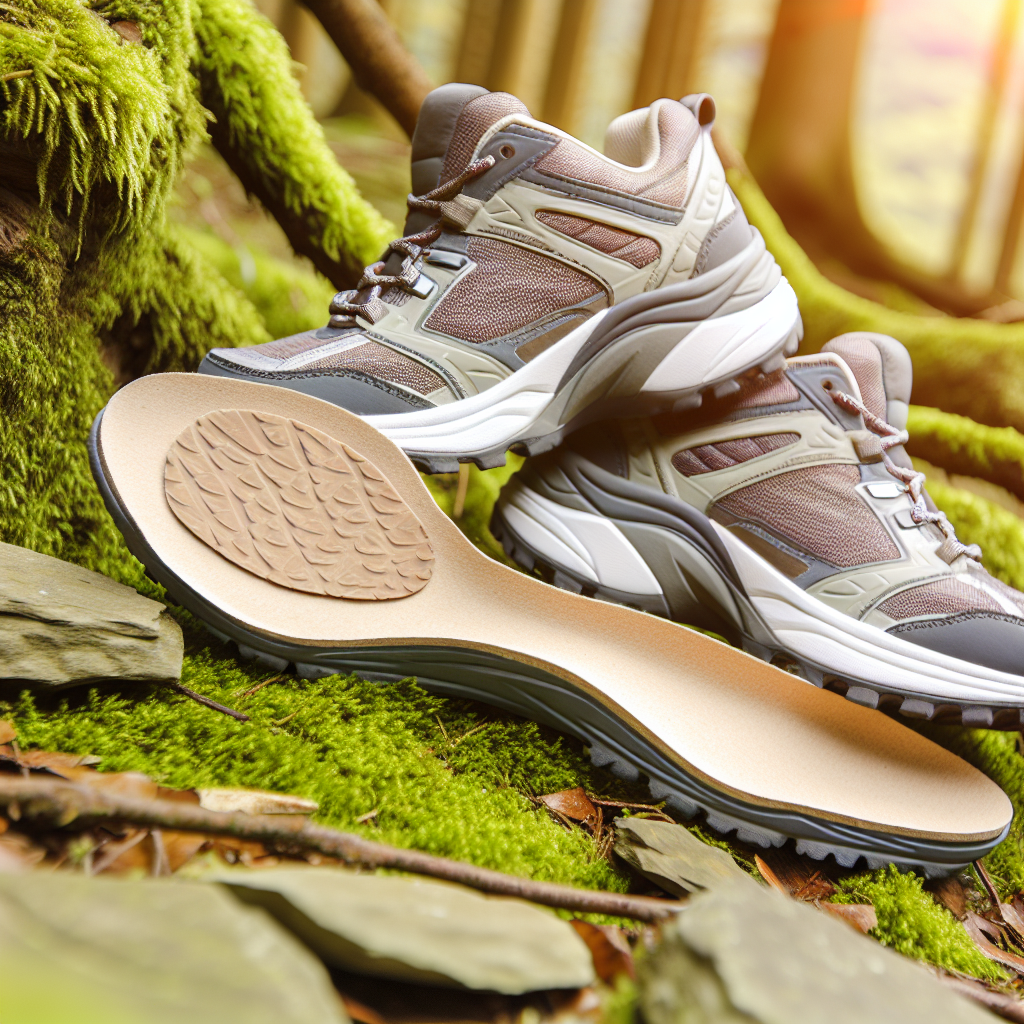
Many experienced hikers replace factory insoles with orthopedic options like Superfeet or SOLE. However, the shoe’s basic construction must still provide support. Investing in well-built hiking shoes can prevent fatigue, reduce joint stress, and make multi-day trips—such as the Teton Crest Trail or John Muir Trail—much more comfortable.
Key Features of the Best Hiking Shoes for Flat Feet
To choose trail footwear that truly supports flat arches, focus on these essential features. Tailoring your shoe choice to your foot shape and terrain makes for a safer and more enjoyable hike.
- Arch Support: A medium to high arch, often found in firm EVA or polyurethane midsoles, helps reduce overpronation and improve stability.
- Heel Cup: Deep heel cups enhance alignment, reduce joint strain, and absorb impact on variable terrain.
- Stiff Sole: A semi-rigid sole minimizes arch collapse and foot fatigue, especially on rocky or uneven trails.
- Wide Toe Box: Roomy fronts allow natural toe splay and can relieve pressure on common problem areas like bunions.
- Stability Technology: Motion-control features assist in correcting unstable stride patterns typical of flat-footed hikers.
- Aftermarket Insert Compatibility: Removable insoles allow space for custom or over-the-counter orthotics tailored to your arch profile.
Terrain also matters. If you hike Oregon’s mossy trails in spring, waterproof breathable membranes—like Gore-Tex—are helpful. But if you’re crossing Utah’s dry redrock, prioritize breathable mesh uppers instead. For backpackers carrying heavier loads, a more rigid, supportive hiking boot may outperform low-cut shoes on multi-day trips in areas such as the Enchantments of Washington State.
Top Trail-Tested Hiking Shoes for Flat Feet
We’ve field-tested dozens of models to bring you five outstanding choices for the best hiking shoes for flat feet. Each offers strong support, trail durability, and all-day comfort across varied environments.
1. Salomon X Ultra 4 GTX
Combining agility and stability, the Salomon X Ultra 4 GTX features an Advanced Chassis™ that locks in your rearfoot while reducing torque on uneven paths. The OrthoLite insole offers balanced cushioning and moderate arch support. The Contragrip outsole delivers grip in rainy and muddy regions like Mississippi’s backwoods trails. Lightweight and waterproof, it excels across diverse routes such as the Smoky Mountains and the rainy Pacific Northwest.
2. HOKA Kaha 2 Low GTX
Offering maximum cushion underfoot, the HOKA Kaha 2 Low is ideal for hikers needing serious shock absorption. With Gore-Tex lining and Vibram® Megagrip outsoles, it’s built for wet and rugged alpine treks. On long, demanding routes like California’s Lost Coast Trail, the plush cushioning and firm internal support help offset the stress of 16-mile days, even under a heavy pack.
3. Merrell Moab 3
The Merrell Moab 3 remains a fan favorite thanks to its versatile design. It features improved arch support, breathable uppers, and rugged Vibram soles. Perfect for desert walks like Havasu Falls or family hikes with speedy elevation gains, it’s available in wide sizes for flat-footed hikers whose feet require extra width and volume. It’s an all-purpose option that’s ready straight out of the box.
4. Altra Lone Peak 7
Built with natural foot mechanics in mind, the Lone Peak 7 features a wide toe box and zero-drop design. While not suitable for every flat-footed hiker, when paired with orthotics, it offers a lightweight, foot-shaped feel ideal for strong-footed hikers. Fast and breathable, it shines on dry, long-distance trails like the Pacific Crest Trail or high-altitude sections of California’s Sierra Nevada mountains.
5. Oboz Sawtooth X Low
The Oboz Sawtooth X Low integrates the brand’s O FIT Insole, which provides ample arch support and structure beneath your foot. The shoe’s rigid sole, aggressive lugs, and deep heel cup make it a stable choice for steep, rocky hikes like Glacier National Park’s Highline Trail. It performs especially well for backpackers carrying loaded packs across varied surfaces.
Smart Strategies for Flat-Footed Hiking Success
Even the best hiking shoes for flat feet can’t solve every problem alone. To make your hikes pain-free, combine quality footwear with smart preparation and efficient technique.
- Build Strength: Incorporate pre-hike workouts like arch lifts, toe scrunches, and balance drills. Strong foot muscles offer better natural support.
- Upgrade Insoles: Factory insoles often lack proper support. Replace them with orthotics such as PowerStep Pinnacle, Superfeet Green, or custom-fit inserts.
- Lighten Your Load: Heavy packs increase arch compression. Use ultralight gear if tackling high-mileage treks like Colorado’s Four Pass Loop.
- Get a Proper Fit: Visit a gear expert or outfitter that offers gait analysis. Proper heel lock lacing can also reduce slippage during descents.
- Use Poles: Trekking poles reduce pressure on knees and arches by distributing body weight — especially helpful on steep terrain like Yosemite’s Mist Trail.
Adapt your footwear based on trail difficulty. Smooth, well-maintained loops like Virginia’s Hawksbill Summit (2.9 miles round trip) may require only moderate support. But ambitious summit attempts and off-camber ridge traverses—as seen on New Hampshire’s Franconia Ridge—demand shoes with reinforced structure and superior traction.
Step Forward with Confidence
Flat feet don’t need to limit your love for the trail. With the right footwear and preparation, you can conquer challenging routes without pain holding you back. The best hiking shoes for flat feet offer tailored support, durable construction, and thoughtful features that align with your personal hiking needs.
From Colorado’s steep trails to the serene forests of the Great Smoky Mountains, investing in quality hiking shoes sets a solid foundation. Combine supportive footwear with strategic training and smart gear choices, and you’ll hike farther, faster, and more comfortably than ever. Let your next adventure begin with the right steps — not sore soles.