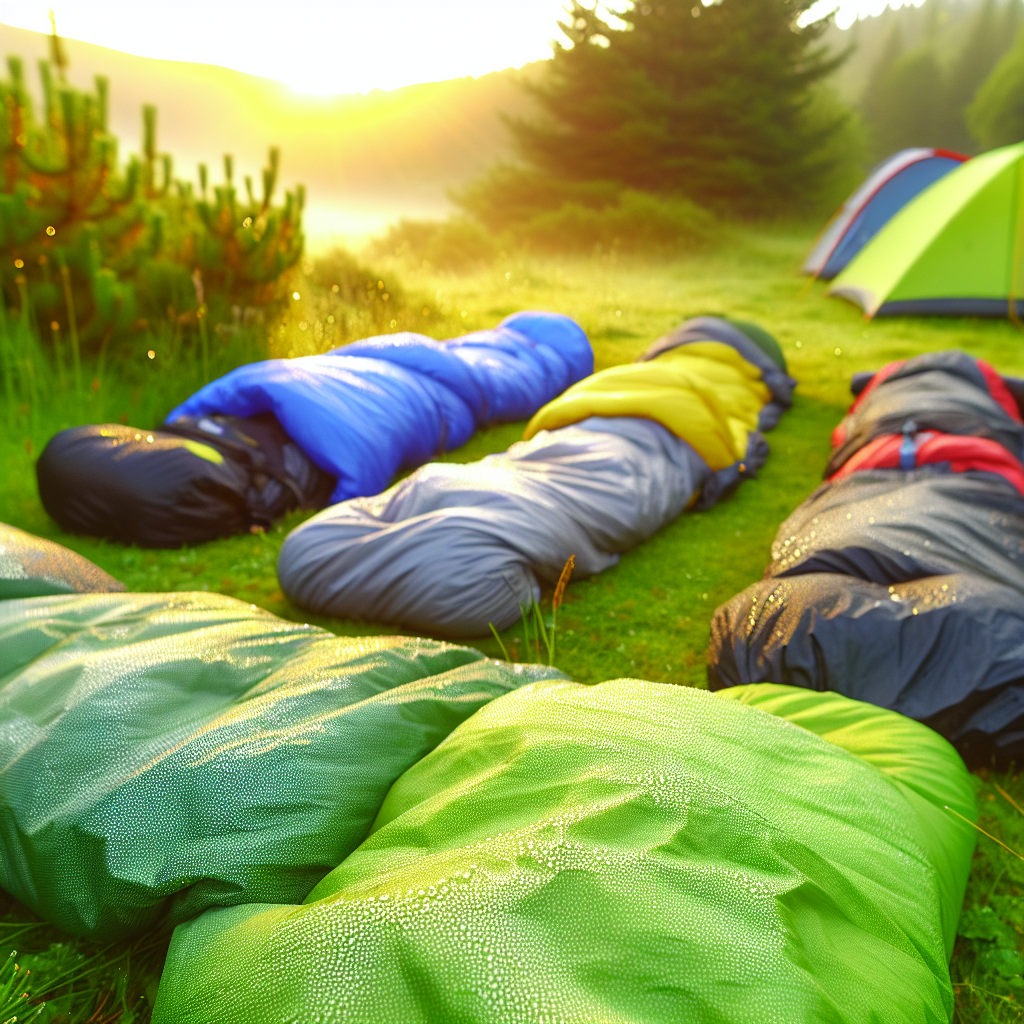
The best backpacking sleeping bags are essential gear for any serious hiker looking to rest and recover after back-to-back days on the trail. Whether you’re postholing through spring snow in Colorado’s San Juan Mountains or sweating through a muggy night on California’s Lost Coast Trail, quality sleep is non-negotiable. Choosing the right sleeping bag means balancing comfort, warmth, packability, and weather resistance—all tailored to your hiking environment. From ultralight summer quilts to sub-zero alpine mummies, this guide provides expert recommendations on the best backpacking sleeping bags, tested in real-world conditions across varied terrains.
What Makes the Best Backpacking Sleeping Bags Stand Out?
Backpacking environments shift dramatically season to season and mile to mile. The best backpacking sleeping bags rise to those challenges while balancing temperature ratings, weight, insulation types, and more. Here’s what to evaluate before making your selection:
- Temperature Rating: Choose a bag rated 10–15°F lower than the coldest nighttime temperatures you expect. Understand EN/ISO standards to match your trip.
- Insulation Type: Down delivers amazing warmth-to-weight, packability, and loft. Synthetic shines in humid climates where moisture is a factor.
- Weight: Ultralight models under 2 lbs are perfect for thru-hikers focused on minimal loads. Heavier models may prioritize comfort instead.
- Shape & Fit: Mummy bags conserve heat better for cold nights, while semi-rectangular or hybrid options provide flexibility for restless sleepers.
- Packability: A highly compressible bag with a stuff sack or compression sack makes efficient use of limited backpack space.
Consider your route’s altitude, wind exposure, and expected humidity. Even midsummer nights on the High Sierra Trail can plunge below freezing at higher elevations—meaning your bag choice needs to anticipate rapid temperature swings.
Best Backpacking Sleeping Bags for Cold Weather Adventures
When venturing into cold climates, your sleeping bag does more than provide comfort—it ensures safety. Whether you’re winter camping in the Wind River Range or logging miles through snow-covered sections of the North Cascades, choose a bag built for heat retention, moisture resistance, and weight efficiency. The following top-rated models have proven reliable in rugged, alpine conditions.
1. Western Mountaineering Kodiak MF 0°F
This iconic mummy bag balances warmth and weight masterfully. Weighing just 2 lbs 12 oz, the Kodiak MF delivers exceptional cold-weather performance thanks to 850-fill power goose down and a water-resistant MicroLite XP shell. On a winter trip through Rocky Mountain National Park, lows reached the single digits—and the Kodiak remained lofty, warm, and condensation-resistant throughout.
2. Mountain Hardwear Phantom 15
Ideal for early-season mountain treks, the Phantom 15 weighs only 1 lb 13 oz while offering reliable warmth with its 850-fill RDS-certified down. A snug mummy shape retains heat efficiently. One tester reported sleeping comfortably at 12,000 feet in California’s Humphreys Basin, wearing just a light base layer.
3. Therm-a-Rest Polar Ranger -20°F
Serious alpine adventurers tackling extreme cold—like expeditions in Washington’s rugged Picket Range—will appreciate the Polar Ranger. At over 3 lbs, it’s on the heavier side, but thoughtful features like venting zippers, a snorkel hood, and synthetic draft protection provide unmatched insulation and breathability. This bag ensures survival in sub-zero scenarios.
When selecting the best backpacking sleeping bag for winter, prioritize high-fill down and weather-resistant shells. Consider pairing your setup with a winter-rated backpack like the Hyperlite Mountain Gear 3400 Ice Pack, which accommodates bulkier sleep systems while remaining agile in alpine terrain.
Best Backpacking Sleeping Bags for Warm and Mild Conditions
For summer hikes or tropical routes where overnight temperatures stay above 50°F, lighter sleep systems rule. Too much insulation risks dampness and discomfort. The best backpacking sleeping bags in warm conditions provide breathability, compressibility, and quick-dry fabrics—key for desert trails or humid coasts.
1. Enlightened Equipment Revelation Quilt 30°F
A favorite among ultralight hikers on trails like the Pacific Crest, the Revelation Quilt weighs 1 lb 6 oz and features 950-fill down. Its open-back design easily adjusts to changing conditions. On a spring hike from Mount Laguna to Warner Springs, testers praised its ability to keep cool during warm nights while effectively sealing in warmth at dawn.
2. Sea to Summit Spark SpI 40°F
When weight is critical, the Spark SpI delivers. Weighing just 12 oz, it’s built for warm-weather trips to places like Maui’s Haleakalā Crater or coastal outings in Florida. The 850+ UltraDry down resists moisture, and the minimalist mummy design compresses to palm size—perfect for bikepackers or minimalist fastpackers.
3. Big Agnes Torchlight UL 30°F
For campers who move in their sleep, the Torchlight UL features expandable side panels, offering extra space without losing heat efficiency. Synthetic-lined footboxes help manage tent condensation in humid conditions—like those experienced overnight along the Uinta Highline Trail. Its flexible profile works well for both side-sleepers and varied climates.
In warm zones, focus on bags that repel moisture and dry quickly. Hydrophobic down or hybrid insulation ensures dependable warmth when morning condensation or coastal humidity rolls in. Pair your bag with a breathable pad like the NEMO Tensor Ultralight Insulated for all-night temperature regulation.
Pro Tips: Choosing and Caring for the Best Backpacking Sleeping Bags
Investing in one of the best backpacking sleeping bags pays dividends only when it’s properly maintained. Use these expert techniques to maximize longevity, performance, and trail adaptability:
- Sleep liner strategy: A lightweight liner adds up to 10°F of warmth and keeps interior fabrics clean—prolonging your bag’s lifespan.
- Storage matters: After your trip, store the bag uncompressed in a large mesh sack. This preserves insulation loft and performance.
- Keep it dry: Always pack your bag in a roll-top dry sack, especially in rainy regions like the Pacific Northwest or along the AT’s foggy segments.
- Layer smartly: Combine thermal layers with a versatile three-season bag rather than overbuying a sack rated for the coldest possibilities.
On long-distance treks like the John Muir Trail or the Wind River High Route, a modular system is invaluable. Combining a sleeping bag with a quilt or adding a thermal bivy can expand your sleep system’s utility across long elevation changes and unpredictable weather. Always check temperatures along your full route; what starts at 55°F can plummet well below freezing just a few miles uphill.
Top Takeaways for Selecting the Best Backpacking Sleeping Bags
Great sleep enables great miles. The best backpacking sleeping bags adapt to each trail, shelter you from unpredictable weather, and restore your body night after night. Whether you’re crossing Glacier National Park’s windswept reaches or camping beneath desert stars in Canyonlands, the right bag ensures you recover every step of the journey. Combine local climate insight with informed gear choices. Match your bag to your hike—not just your budget. And remember, the best backpacking sleeping bags are more than equipment—they’re your partners in adventure, readiness, and recovery on the trail.