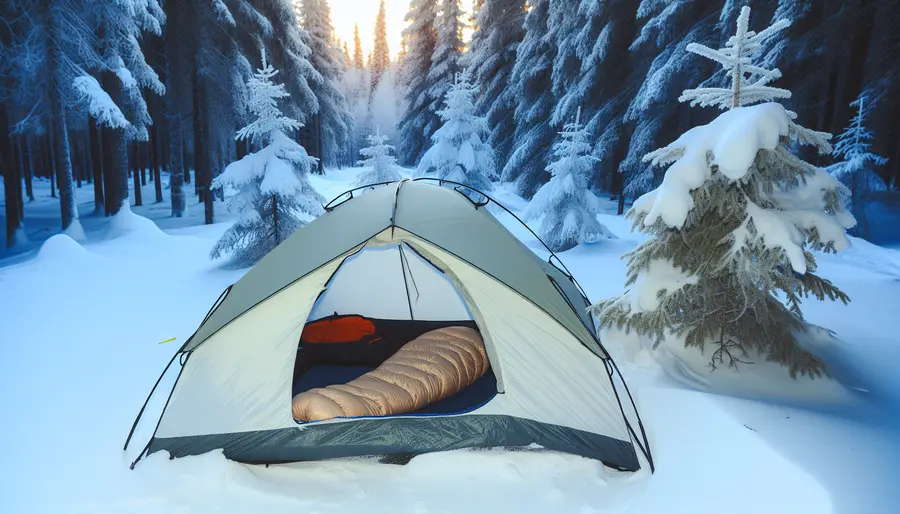
Welcome to your ultimate Guide to Winter Camping, where frost-kissed landscapes promise both exhilaration and challenges. Winter camping transforms a familiar trail into a magical frozen wonderland. It demands respect for formidable conditions while offering solitude that summer crowds can only dream of. By understanding the essentials, from gear selection to wilderness navigation, your off-season adventure can be both safe and unforgettable.
Choosing the Right Gear for Winter Camping
Selecting gear that withstands freezing temperatures is crucial for a successful winter camping trip. Begin your Guide to Winter Camping with the right equipment. A four-season tent, like the MSR Access, can withstand snow loads and fierce winds. Your sleeping bag, such as the Therm-a-Rest Questar, must insulate against biting nighttime cold, providing warmth even at sub-zero temperatures.
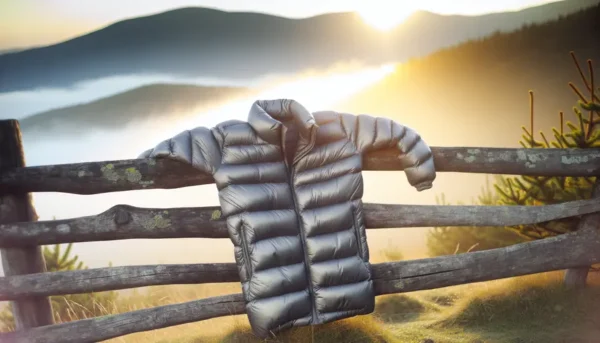
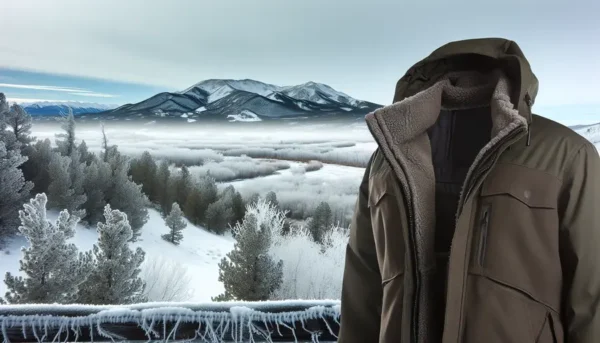
Clothing choice is equally important. Layer wisely with moisture-wicking base layers, insulating mid-layers, and waterproof outer shells. Brands like Patagonia offer high-performance options that balance warmth and breathability. Winter-specific boots, such as those from Salomon, ensure foot warmth without sacrificing mobility on snowy trails.
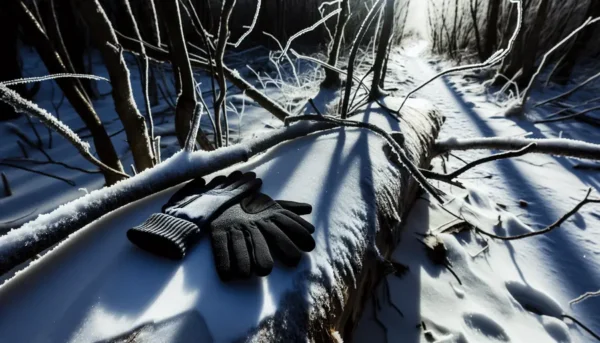
Do not forget accessories. Insulated gloves, wool socks, and a balaclava or beanie protect extremities from frostbite. A reliable headlamp, like the Petzl Actik Core, is essential for lighting your path amid early winter sunsets.
Navigating Winter Terrain
Traversing winter landscapes requires skill and respect. Summer trails morph into challenging routes when blanketed by snow and ice. Your Guide to Winter Camping must include a strong understanding of terrain and navigation. Trails such as the Franconia Ridge Loop offer breathtaking vistas but require caution with icy ridge walks.
Reading snow conditions is crucial. Freshly fallen snow, though beautiful, hides obstacles and increases exertion. Equip yourself with snowshoes or cross-country skis for traversing deeper snowpacks efficiently. In areas with avalanche risk, like the Tongass National Forest, carry the right avalanche gear and know how to use it.
GPS devices and topo maps are invaluable in winter, where trail markers might be obscured by snow. Familiarize yourself with digital mapping apps but never rely solely on technology. Always inform someone of your route and expected return when venturing into remote areas.
Safety Practices in Cold Conditions
Safety should be at the forefront of your Guide to Winter Camping. Cold weather presents unique hazards, from hypothermia to frostbite. Learn how to avoid hypothermia: stay dry, maintain nutrition and hydration, and be mindful of symptoms like uncontrollable shivering.
Create reliable heat sources. Fire-building skills are essential, but in wet, snowy conditions, a portable stove like the Jetboil Flash can be a lifesaver. Always carry emergency supplies, including a first aid kit, and know basic wilderness first aid.
Be vigilant about frostbite, keeping skin covered and avoiding tight clothing that restricts blood flow. Take regular breaks to rehydrate and refuel, as your body needs more energy in the cold. Embrace techniques such as bivouacking for emergencies, knowing how to dig a snow trench for shelter on exposed routes.
Strategies for Preparing Your Route
Effective planning is key when consulting this Guide to Winter Camping. Start by researching possible trail conditions and road closures. Online forums and local ranger stations provide updated insights into trail status and potential hazards. Choose trails according to your experience level, with established routes offering reliable adventure for novice winter campers.
Calculate travel times by acknowledging shorter daylight hours and a slower pace. For long-distance routes, consider breaking the trek into achievable segments. Scout bail-out points along your route in case of sudden weather changes or physical exhaustion.
Food planning is crucial; aim for calorie-dense meals that are easy to prepare even when daylight is scarce. Pre-packaged dehydrated meals or simple pasta cook quickly, and snacks like nuts provide essential energy boosts throughout the day.
The Reward of Winter Wilderness
Amongst the chill of snow-kissed forests, winter camping presents profound rewards: silence untouched by throngs of summer hikers, landscapes transformed into crystalline sculptures, and the satisfaction of mastering nature’s most demanding season. Embrace this Guide to Winter Camping, equip yourself wisely, and let winter’s beauty unfold in all its frosty grandeur.