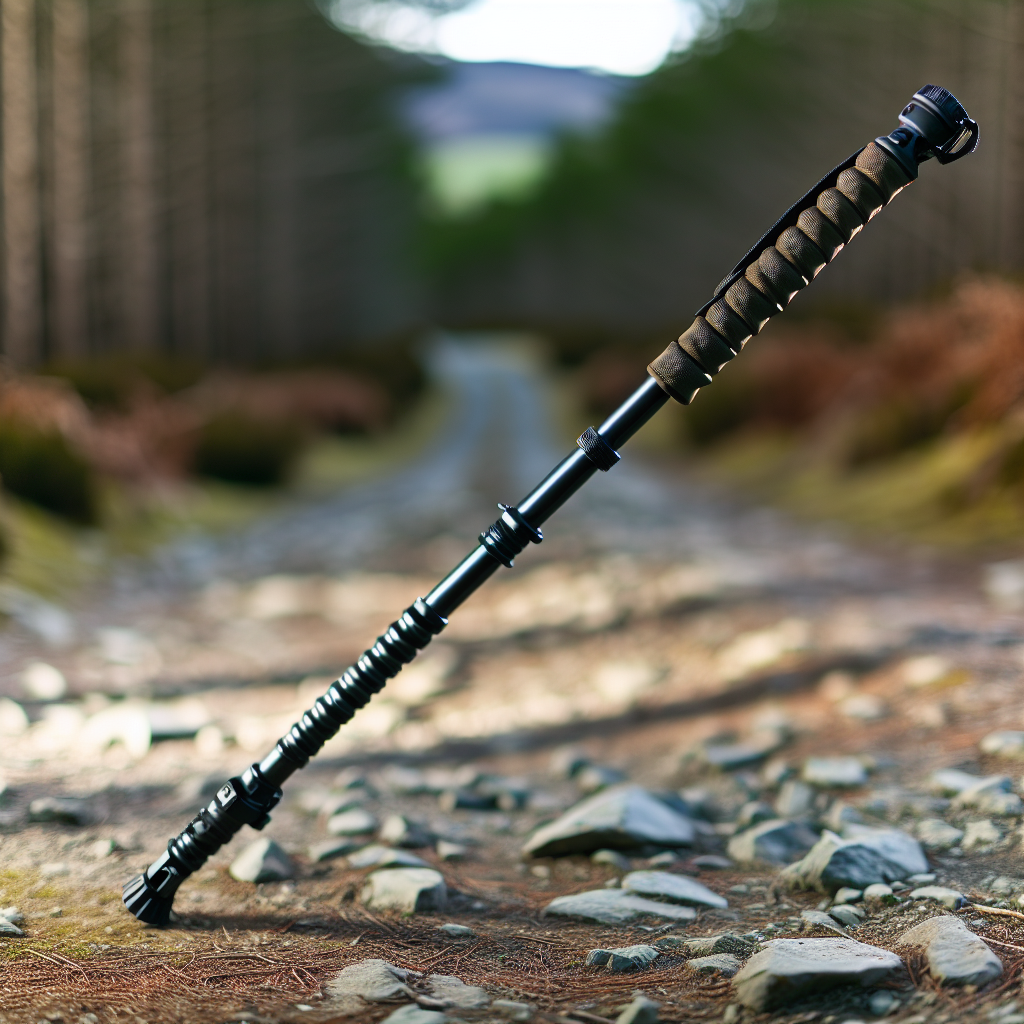
Whether you’re trekking solo along Utah’s White Rim Trail or navigating North Carolina’s Pisgah National Forest, a retractable self-defense hiking stick should be a part of your gear list. Safety in the backcountry is never a guarantee. Although most trail encounters involve fellow hikers or harmless wildlife, the rise of multi-functional trekking gear means you no longer have to choose between travel efficiency and personal protection.
Why a Retractable Self-Defense Hiking Stick Is Essential
A classic hiking stick provides necessary stability across uneven terrain. But when that same tool becomes a deterrent against potential threats, it transforms from basic gear into essential equipment. A retractable self-defense hiking stick offers a combination of lightweight utility, packable portability, and reliable protection—making it a must-have for modern hikers and backpackers.
Unlike typical trekking poles, these advanced sticks feature aircraft-grade aluminum or carbon steel construction for maximum durability. Many include tactical enhancements like pointed ends, reinforced handles, or integrated stun devices. Whether hiking deep into wilderness zones like the Alpine Lakes in Washington or trekking nearer to urban borders such as the Bay Area’s Ohlone Wilderness Trail, carrying protective gear that doesn’t weigh you down is simply smart preparation.
Importantly, they also offer a defense option against potential human threats. For solo hikers, especially women and LGBTQ+ adventurers navigating remote or deserted paths, fast-deployment gear provides security. Unlike carrying pepper spray openly or brandishing a blade, a retractable self-defense hiking stick is discreet yet dependable—making you feel safe without raising eyebrows along the trail.
Top Features to Consider When Choosing a Retractable Self-Defense Hiking Stick
Not all hiking poles are made equal, especially when selecting one for both stability and protection. Choose a retractable self-defense hiking stick with features optimized for backcountry resilience and fast action:
- Material: Opt for aircraft-grade aluminum, titanium, or carbon steel. These durable metals stand strong under pressure and strain.
- Compact Size: A retractable stick under 20 inches when collapsed is easy to store or holster until needed.
- Secure Locking Mechanism: Choose models with twist-lock or telescopic locks to prevent collapse during use.
- Grip and Handle: Non-slip rubber or paracord grips provide better control in wet conditions or when adrenaline is high.
- Tactical Endcaps: Stick tips with tungsten or steel points offer trail traction and defensive power. Some convert into glass breakers or house survival tools.
- Weight: Stay under 1.5 pounds to minimize fatigue without losing strength or protection capabilities.
Brands like Smith & Wesson, Trailblazer, and Zap continue to gain popularity for creating tools that double as outdoor gear and personal safety instruments.
Top Picks: Field-Tested Retractable Self-Defense Hiking Sticks
After long-distance testing across environments—from Arizona’s scorching Superstition Mountains to the damp trails of Olympic National Park—these models consistently ranked high in both performance and protection:
Smith & Wesson Collapsible Baton with Rubber Grip
Though not marketed as a hiking stick, this steel collapsible baton proves effective in rugged conditions. Built for durability with a rapid deployment mechanism, it excels in providing defense during solo treks. It withstood daily trail impacts along the Appalachian Trail and offered quick-access safety during night hikes near McAfee Knob.
Zap Hike ’n Strike Trekking Pole
This all-in-one model combines a trekking pole with a 950,000-volt stun feature. Ideal for multi-day hikes in wildlife-heavy areas like Yosemite or the Grand Canyon, it also includes an LED flashlight and textured grip. Rugged, defensive, and multi-use, it’s ideal for tech-savvy hikers looking for extra peace of mind.
TrailBlazer Expandable Self-Defense Walking Stick
With a sleek design, this option retracts to under 20 inches and expands to 50, making it accessible for most users. Its steel-tipped end handles technical terrain and doubles as a defensive tool. Field-tested in Idaho’s Sawtooth Range, it shows strength in high-stress environments without attracting attention.
When You’ll Be Glad You Packed a Defensive Hiking Stick
Preparation is more than just carrying gear; it’s having tools ready before they’re needed. For example, in California’s Lost Coast Trail area, several trekkers have faced close-range encounters with black bears. A raised voice and a visible defensive stick was enough to turn wildlife away without conflict.
Similarly, trail users on Vermont’s Long Trail have shared stories of unleashed dogs acting aggressively away from owners. A retractable self-defense hiking stick serves as a physical barrier or attention-grabbing item that enhances your response options. Families hiking with children or pets especially benefit from this added protection.
And then there’s the mental edge. On unpredictable night hikes or when rerouting in storms—like during spring thaws on the Cascade Pass—having your tool within reach brings clarity and control when seconds matter.
Training and Responsible Use in the Wilderness
A retractable self-defense hiking stick is only as effective as the person using it. Just like learning to read a topographic map, using your stick properly requires preparation. Spend time practicing deployment, balance, and grip under different conditions. Some outdoor enthusiasts even take self-defense courses to strengthen reflexes and techniques.
Emphasize safety over showmanship. This tool is meant to prevent physical harm, not invite confrontation. Use it as a barrier, for warning stance, or only when a threat becomes unavoidable. Always stay mindful of Leave No Trace ethics and be sure your safety choices respect the experience of others on the trail.
Choosing the Best Stick for Your Environment and Hiking Style
From coastal walks in Acadia to alpine scrambles in the Rockies, your optimal retractable self-defense hiking stick depends on two things: where you hike and how you hike. Steep, slick terrain calls for rugged tips and solid locking systems. Short day hikes versus extended solo thru-hikes may require different portability features and comfort levels.
Whether you’re out for an afternoon near Griffith Park or taking on multi-day routes in the Wind River Range, a compact, reliable hiking stick improves both performance and peace of mind. Choose gear that supports your physical needs and aligns with your safety goals—without compromise or added bulk. Hiking smart means hiking confidently, and this one tool brings both trail support and protection into perfect balance.